
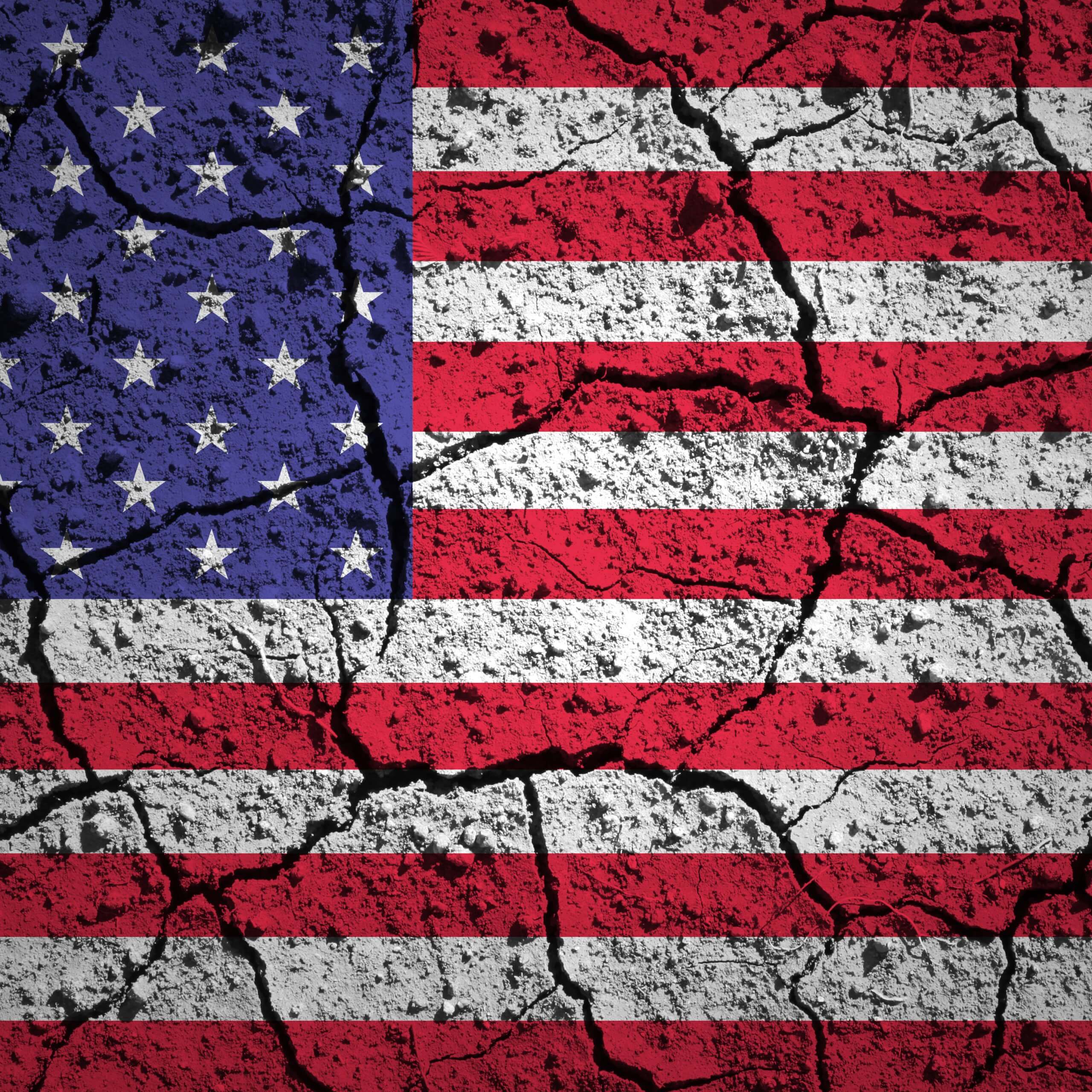
In his song, “American Tune,” Paul Simon wrote it well: “When I think of the road we’re traveling on – I wonder what’s gone wrong.”
I hear everyone guessing, none of us knows for sure; how did we get ourselves into this mess? Seriously, we’re talking about America becoming a dictatorship? We’re watching the National Guard in the streets, masked Ice agents stealing human beings, more innocent people everywhere being shot. Toss into the mix another macabre happening – rose gardens destroyed around the White House. Now it is really very white, looking like a cremation spot.
From a psychological point of view, I ask, have we all somehow allowed this greedy, chaotic, unkind government to rule? Are we unconsciously complicit in this corruption and cruelty? Have we quieted down too much, holding our breath? In “Silencing The Self,” Dana Jack writes, “When dialogue dies, as it can with either person’s failure to speak, to hear, or to acknowledge the other, then part of the self also dies.” There seems to be a collective deadness or frozenness in the land.
I get it. These are scary times and fear has great power. But are we all a little bit like ostriches, hiding our heads, pretending this isn’t happening? After all, it is hard to digest. Why not turn our heads? We humans often pretend things will be okay until a crisis erupts. Jung’s theory of the shadow is simple: Aspects of ourselves that are incompatible with our conscious values tend to get repressed.
I see it every day in my office. Most of us mean well, we just don’t understand why we do the things we do. We can’t quite comprehend what part of ourselves was so rude to our partners, why we are too isolated, why we had that affair or what we want with our lives. We humans do not understand ourselves.
Putting this in current political terms, we often ask, why would Americans vote for bullying leaders – or not vote at all – allowing apparently immature, narcissistic people to decide our fate? Beware, denial is dangerous. Our shadow follows us, like a big black silhouette on a spring afternoon. Maureen Dowd relates to this current chaos with her usual candid wit in The New York Times. She quotes a line in a February 16 speech from Pete Hegseth, United States Secretary of Defense (War): “Values are important. But you can’t shoot values … There is no replacement for hard power.” Somehow we’ve enabled angry people with pointed weapons and other things to rule the roost. Is that really what we want?
Looking for solutions I re-discovered George Monbiot of the British Guardian. His diagnosis about where we are and what to do about it is hopeful. In a 2024 interview with The Ink, he talks about how we can move out of the quagmire humanity has created.
Monbiot says, “Our timidity is both fatal and irrational…” He suggests that before systemic change happens, it always seems impossible. “Votes for women? They would never let that happen. Decolonization? You have got to be joking. Civil rights? Don’t make me laugh. Marriage equality, legal abortion, sexual liberation, the weekend … all preposterous proposals! Then they happen, and everyone thinks ‘well that was inevitable, wasn’t it?’”
Monbiot describes how change happens, how we have moved from old ideas to new narratives in the past. “Through a small group,” he says, “expanding the circle of consent for change until a social tipping point was reached. That’s how it has always happened.” (His new book with Peter Hutchison is, “The Invisible Doctrine, The Secret History of Neoliberalism and How It Came to Control Your Life).”
Monbiot insists we can create a new story – as compelling and important as any from the past. We have to start thinking and talking together, pockets of citizens buzzing everywhere. Real people sitting down to the table.
Katy Byrne is a Psychotherapist in Sonoma: ConverationswithKaty.com






Be First to Comment