
Permit Sonoma’s Building Division is preparing for the upcoming changes to the California Building Standards Code, which take effect on Jan. 1, 2026. The 2025 code cycle introduces new statewide requirements that focus on wildfire resilience, clean energy and sustainable construction practices.
Permit Sonoma will host a series of Ask the Building Expert drop-in office hours this fall and winter to help design professionals and residents navigate the upcoming code changes. The first session will be held on Oct. 30 at noon, with additional sessions on Nov. 18 at 5 p.m. and Dec. 18 at noon. Sessions will be held for one hour, online via Zoom. Staff will provide a brief overview of key changes and be available to answer questions.
The updates will only apply to new construction and certain remodels throughout California, including unincorporated areas of Sonoma County. Among the most notable changes are:
- Enhanced wildfire safety: Following the creation of the Wildland-Urban Interface code, California is adopting stricter fire-resistance standards for buildings in high-risk zones, including requiring fire-rated, ember-resistant vents.
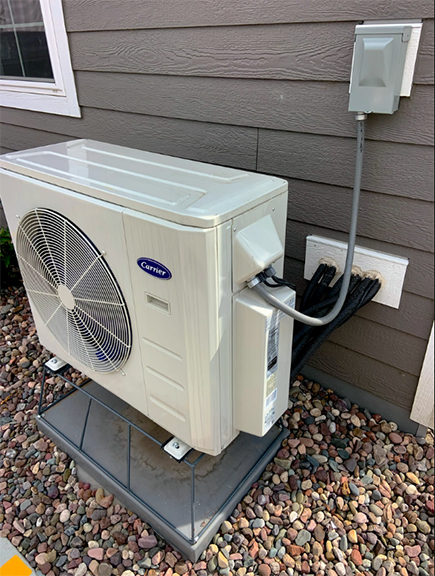
- Heat pumps (pictured) for space and water heating: Newly constructed residential buildings must now use all-electric heat pump systems for both space and water heating. While gas furnaces remain technically permissible, they must comply through the more complex performance pathway—effectively phasing out standard gas installations in new homes.
- Electric-ready infrastructure: New buildings must be pre-wired for future electric appliances, including commercial kitchens, to encourage later upgrades to cleaner technologies.
- Stricter ventilation standards: Indoor air quality is improved through stronger ventilation requirements for multifamily buildings.
- Mandatory EV chargers: The code replaces the previous “EV-Capable” requirement with new mandates to install Level 2 electric vehicle chargers and receptacle outlets in residential buildings.
- Construction waste management: All projects must now have a formal construction waste management plan that achieves at least 65% diversion of materials from landfills.
Additional statewide updates include expanded use of mass timber in taller structures, new seismic and structural load standards, and the introduction of embodied-carbon limits for large nonresidential projects under CALGreen, among many others. For a complete summary of changes and reference materials, visit the California Building Standards Commission at www.dgs.ca.gov/BSC or view Permit Sonoma’s local resources at PermitSonoma.org/Building.




Be First to Comment