
Let your November garden be a place of joy, quiet strength, and seasonal renewal. Happy botanizing.
NOVEMBER PLANTS OF THE MONTH
Honoring Resilience, Celebrating Abundance, & Planting for the Season Ahead
— Sedra Nathan, Hannah Aclufi, and Vincent Distrola
If you’re born in November, your traditional birth flowers are chrysanthemum and peony.
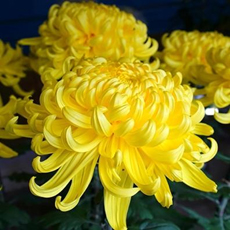
The chrysanthemum, native to East Asia, is rich in cultural symbolism – from nobility and longevity to optimism and joy. Revered across Asia, it is especially significant in Japan, where it represents the Imperial family. In the U.S., it’s often featured in memorial wreaths honoring veterans and loved ones.
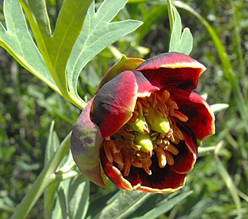
The peony, lush and elegant, stands for abundance and good fortune. California’s own wild peony (Paeonia californica) blooms after deep winter rains, with deep red flowers once the soil is fully soaked.
 To continue our tradition of suggesting California native alternatives that match the symbolism and spirit of birth flowers, we present the following as alternatives each offering beauty and habitat for your winter gardens:
- Garrya elliptica – Coast Silktassel
- Ribes sanguineum – Pink Flowering Currant
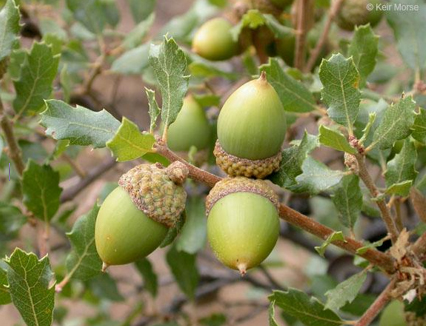
- Quercus berberidifolia – Scrub Oak
Coast Silktassel (Garrya elliptica)
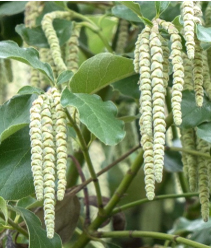 With long, draping tassels that sway like strands of silver-gray beads, Coast Silktassel offers elegance and movement. Blooming from November to February, it brings sculptural beauty to the winter garden. Male plants display long, grey-green catkins in winter, while the female plant is less commonly seen and produces long clusters of purple-brown fruits in summer.
- Symbolism: Grace, noble refinement, sublime beauty
- Ecological benefits: Evergreen cover for birds; this small tree or shrub provides year-round habitat
- Habitat role/garden application: Adaptable to sun or part shade, and tolerant of clay or poor soils if well-drained. ‘James Roof’ offers dramatic 12″ catkins; ‘Evie’ is compact with maroon-ringed tassels. Ideal as a winter focal point or screen in dry, shady areas.
Pink Flowering Currant (Ribes sanguineum)
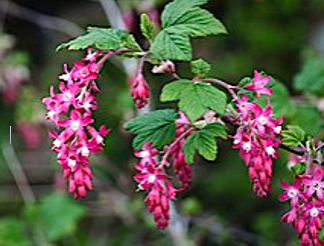 Just as chrysanthemums and peony can brighten late fall with bold color, chaparral currant lights up the garden with fragrant pink blooms from November to March. A welcome nectar source in winter, it supports hummingbirds and native bees when little else is in flower. By spring, berries ripen and provide food for birds. This hardy, multi-stemmed shrub is low-maintenance, and its branches even provide nesting habitat for birds!
- Symbolism: Renewal, generosity, spiritedness, and optimism.
- Ecological benefits: Provides nectar in the off-season and berries in spring, supporting pollinators and birds.
- Habitat role/garden application: Grows well under oaks and along woodland edges. Prefers part shade and little summer water. Adds winter color and movement to the garden, with arching branches that catch the light and attract pollinators.
Scrub Oak (Quercus berberidifolia)
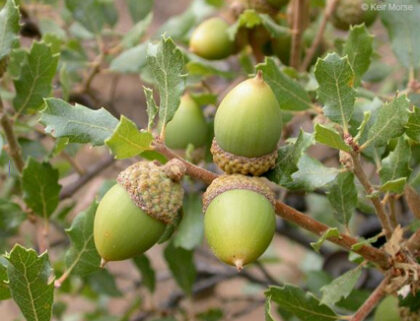 While our birth flowers represent honor and legacy, no plant anchors California ecosystems quite like the oak. The scrub oak is a compact, evergreen oak and offers a home-garden–friendly scale while sustaining a web of life through its acorns, leaves, and sheltering canopy. Unlike its massive cousins, this modest oak reaches 15–20 feet, making it suitable for smaller gardens. Evergreen and slow-growing, it supports butterflies, moths, and birds while offering acorns vital to wildlife.
- Symbolism: Strength, longevity, rootedness
- Ecological benefits: Larval host for many butterfly species; acorns sustain birds and mammals
- Habitat role/garden application: Grows 15–20 ft tall; excellent for smaller gardens seeking high wildlife value. Prefers sun, no summer watering, and thrives in Sonoma’s chaparral soils; Its compact size makes it an excellent habitat tree for smaller gardens ideal for gardeners looking to create high wildlife value.
We hope you enjoy this month’s selection. These California natives keep our gardens vibrant, resilient, and full of life. By embracing both traditional birth flowers and local plants, we create spaces that nourish overwintering birds, pollinators, and all manner of wildlife – including us gardeners. And – as winter rains begin, planting natives like silktassel, currant, and oak offers a way to honor both beauty and ecological purpose.
Let your November garden be a place of joy, quiet strength, and seasonal renewal.
Happy botanizing.
“Reprinted with permission from the Valley of the Moon Garden Club (VOMGC), now entering its 75th year serving Sonoma.”



Be First to Comment