
The Valley of the Moon Garden Club
Flower or Plant of the Month:
Honoring the Old, Respecting the Present, & Planting for the Future
By Sedra Nathan & Hannah Aclufi
Historic Symbology
For centuries, flowers have carried rich symbolic meaning. The association of carnations and snowdrops with January largely reflects European horticultural traditions. These historic, deep-rooted traditions especially took hold when the “birth flower” concept was formalized in Victorian England. Birth flowers were chosen for their symbolic meanings rather than their botanical seasonality – a fun concept to explore (and the topic of February’s featured speaker, by the way!).
January’s symbolic birth flowers are:
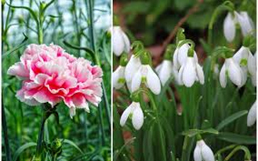
- Carnations, which symbolize love and gratitude.
- Snowdrops, which symbolize hope and renewal.
A Modern California Perspective
For gardeners in California, we might also consider which plants align with our native ecosystems and Mediterranean climate. January offers a unique opportunity to highlight plants that thrive locally, supporting both wildlife and seasonal beauty.
Here are three standout plants—two small trees (or large shrubs, depending on your pruning preferences!) and one gorgeous, deep-magenta perennial flower
Native California Plants for January
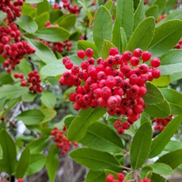
- Toyon (Heteromeles arbutifolia):
Also known as Christmas berry or California holly, toyon retains its bright red berries into January, making it a stunning feature in winter landscapes during the holiday season (Celebration!). Beyond its visual appeal, these berries provide vital food for birds and other wildlife during the colder months (Sustenance!).- Symbolism: Celebration and sustenance.
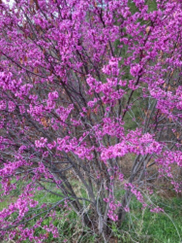
- Western Redbud (Cercis occidentalis):
While not yet in full bloom, western redbud buds may begin to emerge in late January, hinting at the seasonal transition to spring (Renewal!). Its early appearance reminds us of the resilience and promise of new beginnings (Hope!).- Symbolism: Renewal and hope.
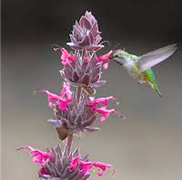
- Hummingbird Sage (Salvia spathacea):
This native California perennial brings beauty and ecological benefits to winter gardens. Known for its aromatic foliage and vibrant, tubular magenta flowers, Hummingbird Sage begins to bloom in late winter and continues through spring (Resilience!), making it a fantastic choice for January. It’s also a vital nectar source for hummingbirds during the lean winter months (Nourishment!).
Symbolism: Resilience and nourishment.
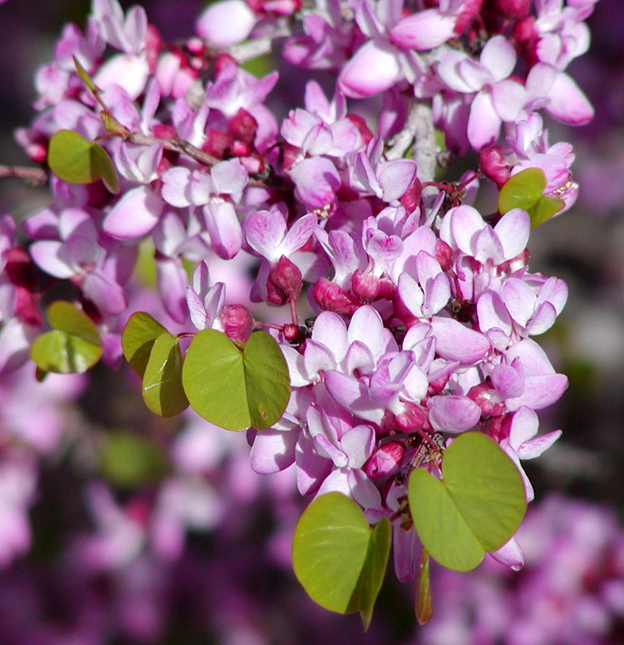
Main Photo by Stan Shebs, Cercis occidentalis branch, via Wikimedia Commons. Licensed under Creative Commons Attribution-ShareAlike 3.0.




Be First to Comment