
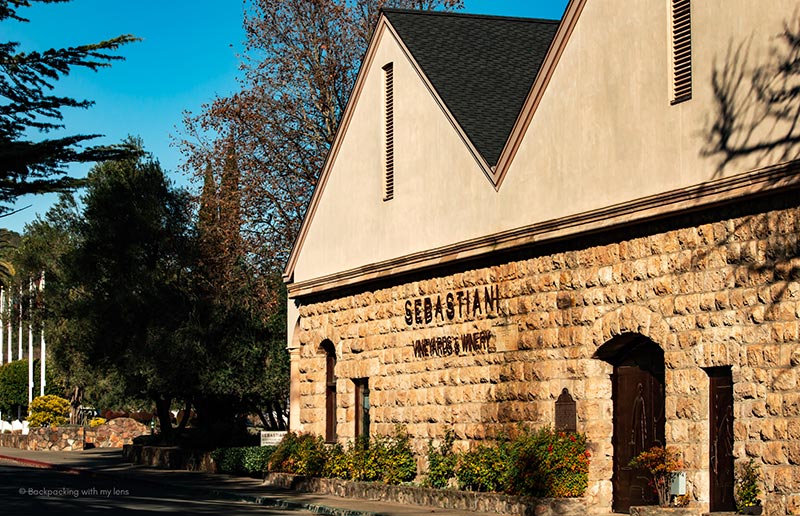
At its meeting of February 19, 2026, Sonoma’s Planning Commission unanimously agreed to recommend a “go slow” approach to the rezoning of the Sebastiani Winery property to Sonoma’s City Council.
The City of Sonoma is in the process of updating its General Plan, the document that guides growth patterns and provides the legal basis for land use within the city. Rezoning is a common practice during such updates, and the 20-plus acre Sebastiani Winery site is currently designated Agricultural, which allows cultivation and attendant uses. The city’s first vineyard is located on the property.
Owned by Bill Foley, wine production no longer takes place at the winery, and the historic wine tasting room and offices are presently being leased to another wine company. At a public workshop held during January, discussion centered around potential uses of the property going forward and roughly 80 residents indicated the ways in which they feel the property can be best utilized in the future. This latest meeting was essentially the first time that the commission was able to take up the matter and interact directly with residents about the land use going forward.
A succession of residents addressed the commission over an hour-and-a-half and nearly all of them expressed sentiments of concern about the effects of increased density and intensity of uses going forward. Effects on evacuation from the high fire risk zone in which the property is located was highlighted by neighbors and residents in the adjacent county area. While support for viable and productive use of the property was expressed, large hotels and highly dense housing were not popular.
When it became time for the commission members to weigh in, their sentiments mirrored those of the public. The question of timing was raised, and whether there is a formal deadline associated with the decision. Development Director Jennifer Gates explained that the goal is for the completion of the General Plan update by the fall of 2026, but that is not due to any state requirements other than the completion of the Safety and Circulation Elements of the plan. She said the option of leaving the current Agricultural zoning can remain until such time as an actual development proposal is made.
That option received the unanimous support of the commission members. The matter will come before the City Council at its first meeting in March.



Be First to Comment