
Honoring the Old, Respecting the Present, & Planting for the Future
– Hannah Aclufi, Sedra Nathan, and Vincent Distrola
In Memory of Hannah
 This column began as a collaboration with Hannah Aclufi, the native plant nursery manager at the 7th street garden park and one of the first plant people I met in Sonoma. Knowledgeable, stubborn, and deeply devoted to native plants, Hannah helped shape this series from its earliest days as a VOMGC member and native plant lover. It continues with gratitude for her work and her influence.
Welcome to the second month of exploring the symbolism and cultural significance of flowers and their plants through the calendar year. Flower symbolism is thousands of years old, and is present in historic and contemporary cultures throughout the globe including Europe, Asia, Africa, Oceania, and the Americas. The concept of flowers associated with a person’s birthday month may have originated in Roman times. Here are three birth month flowers for February in Western culture and their associated significance:
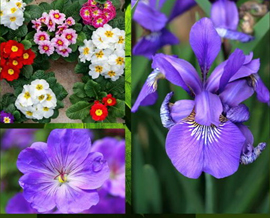
Iris– wisdom and resilience,
Primrose– new beginnings, innocence, and affection
Violets– faithfulness and renewal.
A Modern California Perspective
As we did last month, let’s tie these concepts into our greater ecological setting. Here are three native Sonoma County plants that are stars of the landscape and garden at this time of the year.
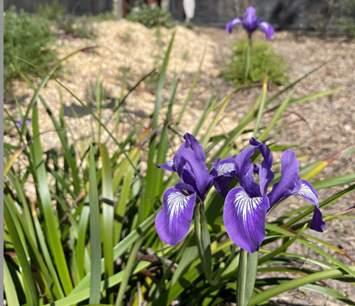
Iris macrosiphon (bowl tubed iris)
This iris is more common in our area than the more well known Douglas iris, and is a wonderful choice for garden borders, open woodlands, and meadows. Easy to care for, with a little summer water, it retains its green strappy leaves throughout the year. Lean but showy purple or cream to pale yellow flowers grace the stalks beginning in late February-April.
Ecological benefits: Provides nectar for native bees and tolerates dry summers after winter rains.
- Symbolism: resilience, tenacity
(Photo: Hannah Aclufi ®2023)
- Habitat Role: Grows well in part shade under oaks or in open meadows
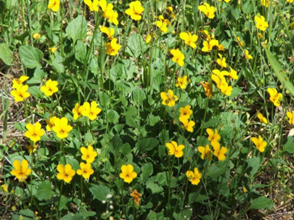 Viola pedunculata (California golden violet)
- Symbolism: Faithfulness and renewal—echoes the historic meaning of violets
- Ecological benefits:
- Provides nectar for early pollinators like native bees and bats
- Larval host plant for fritillary butterflies
- Habitat role: Grows well in grasslands, oak woodlands, and meadows, thriving in full sun to partial shade. Blooms February-April
(Photo: Las Pilitas Nursery)
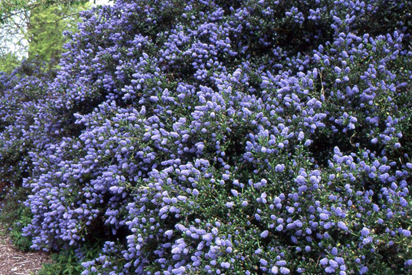
Ceanothus thyrsiflorus (blue blossom)
Gorgeous blue blossom varies considerably in size and habit throughout its range. Though it appears more in west county than in Sonoma Valley, there are numerous cultivars available that are suitable for almost any garden conditions. It is evergreen and can be trained as a tree or used as a hedge to provide fence cover or privacy. Most varieties are very drought tolerant and require full sun to partial shade.
- Symbolism: flexibility, abundance, sanctuary
- Ecological benefits: erosion control; habitat, seed and nectar for pollinators, small mammals
- Habitat role: varies considerably across natural range- may prefer more shade in inland areas.
(Photo: Oregon State University)




Be First to Comment