
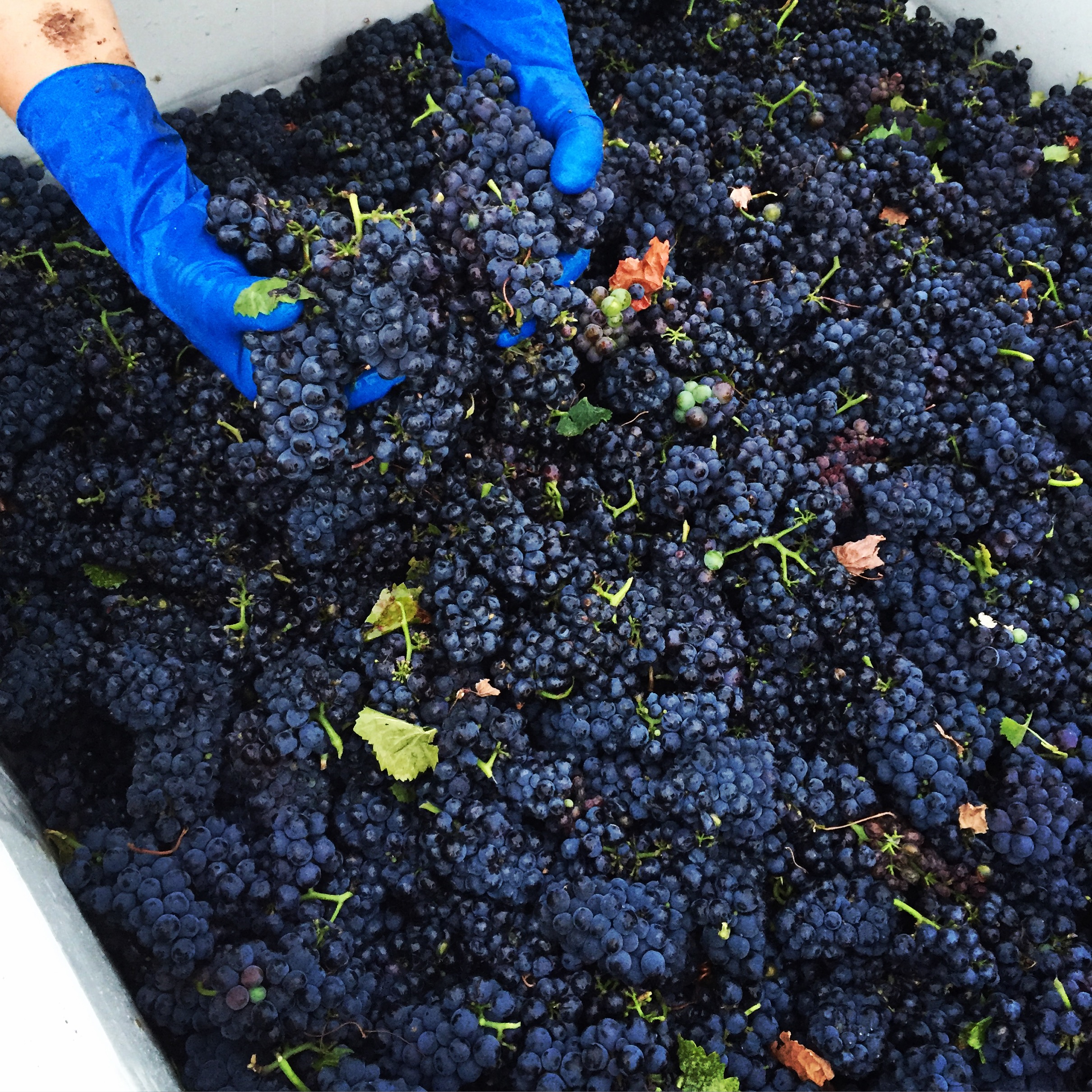
Here in Sonoma Valley we enjoy some of the finest agricultural land in the world. Countless years of rainfall on the mountain ranges surrounding our basin produced alluvial flood plains rich with minerals, organic matter and soil, resulting in a virtual Garden of Eden for those who arrived later and lived here.
Majestic oaks, creeks laden with salmon, ample water, proximity to the bay, and moderate temperatures drew native people to the valley, where they resided in concert with nature for thousands of years. That ended with the arrival of European cultures; the privatization of land and the psychology of resource exploitation for profit effectively set the stage for a different mode of life. Combined with the imposition of western economics, Sonoma Valley’s destiny was set in a different direction.
Yet, the richness of the land continued to provide a powerful agricultural bias, making farming and raising livestock a major activity. Fruit trees like walnuts, plums, and stone fruits proliferated in orchards. Dairy cows roamed hillsides. Grapes grew particularly well, needing little water after sending their roots deep into the fertile soil. From that humble beginning, wine-making was established as a viable business, and eventually growing grapes and making wine replaced virtually all other agricultural activities. The walnut and plum orchards were torn out, and the raising of cattle for milk production moved to other parts of the county.
Premium grape demand grew as the popularity of an exploding wine culture drove the wine country economy. And when it was discovered that irrigating vineyards resulted in higher grape production, groundwater pumping expanded dramatically. Unregulated and unmetered, large vineyard operations increasingly relied on water from the Valley’s aquifers. Over time, those aquifers contracted, the water table dropped and the quality of ground water declined, allowing brackish water from the Bay to intrude northward into the valley. The grape-based, virtual monoculture allowed vineyard-specific pests like Phyloxera and the Glassy Winged Sharpshooter to spread easily, changing the methods and timing of vineyard planting and production. Growing grapes became more challenging and expensive.
As those challenges grew, large companies acquired smaller growers and wineries; the wine business went increasingly mainstream and corporate. The public was repeatedly sold on the idea of drinking wine, and what had once been an activity of the elite became commonplace. Supermarkets created vast aisles of wine, and its popularity seemed unlimited, until it wasn’t. Then the public’s drinking habits changed, an entire generation moved away from wine to other alcoholic beverages, or away from alcohol altogether. Which brings us to the present.
The wine industry is far from dead, but it is experiencing a significant contraction. Wineries are closing and vineyards are being torn out. For the moment, no new crops are being planted to replace them. Local produce farmers are satisfying an increased public demand for pesticide-free, locally-grown food – a healthy trend that we support and hope to see expand. Cannabis cultivation appears to play only a minor role in the Valley’s agricultural equation, shows no sign of replacing wine grapes, and does not require significant amounts of the Valley’s land.
But the critical demand for more affordable housing may influence that outcome. It would be troubling to use the Valley’s rich soil for big housing developments, paving it over for streets and driveways. But the economic incentives to do so are powerful, and the need for truly affordable housing – the kind that young families or elderly retirees have the hardest time finding – is critical.
The wine business has always had boom-and-bust cycles. It will continue if, for the time being, smaller. Our talented wine makers take great pride in producing some of the finest wines in the world, from some of the world’s finest soil in one of the world’s greatest climates. That is our heritage, and we hope, our future.







“Affordable housing: if you build it they will come.” And, “There is no such thing as enough affordable housing.” I am quoting myself.
Really, how much affordable housing do we need? 500 units? 1,000 units? 10,000 units? 100,000 units? More?
Please, someone tell me, How much is Enough? When we have the next fire how are we all going to get out of the Valley?
And don’t get me started about groundwater. Actually, reducing the vineyards might eliminate the depletion of the Fossil Water aquifer. That would be a good thing.
Now, what to do with the vacant land? I’d love to attend a symposium about the possibilities with U.C. Davis Ag economists. I expect there will be some devaluation of land value, which will lower taxes and there may likely be some bankruptcies. And there will likely be more consolidation, big companies buying up small companies.
There are probably some vacant lots or parking lots in the Valley that could be made into affordable housing but all the former grape farms? Nooooo. More housing should be in the 101 corridor.
How much is Enough?
Up until some time in the 80s, the Sonoma Valley was blessed with a diverse agricultural industry. Then, wine took over, and while we have a few farms left, they seem to be very small operations. If they sell their produce, it’s in very small quantities relative to the last part of the 20th century. While we’re lucky to have the wine industry, that growth has come at the expense of a more balanced agricultural ecosystem. Perhaps this is the time to take a lesson from history and replant some orchards and seasonal gardens. While all industries, in this case the wine industry undergo ups and downs, putting all your industry eggs into one basket invites a much more severe impact when that dip happens. Neither wine, not fruits and vegetables are going away. There will always be demand, but we know that demand will fluctuate. A more balanced ecosystem is not only good for nature overall, it would help insulate those agriculturalists who opt for a diverse philosophy from fluctuating market demand as well as changing weather patterns, pests, and other challenges that farmers inevitably face. It would also lead to a healthier, more stable, and more resilient workforce, both for the workers, and the farm and vineyard owners.