
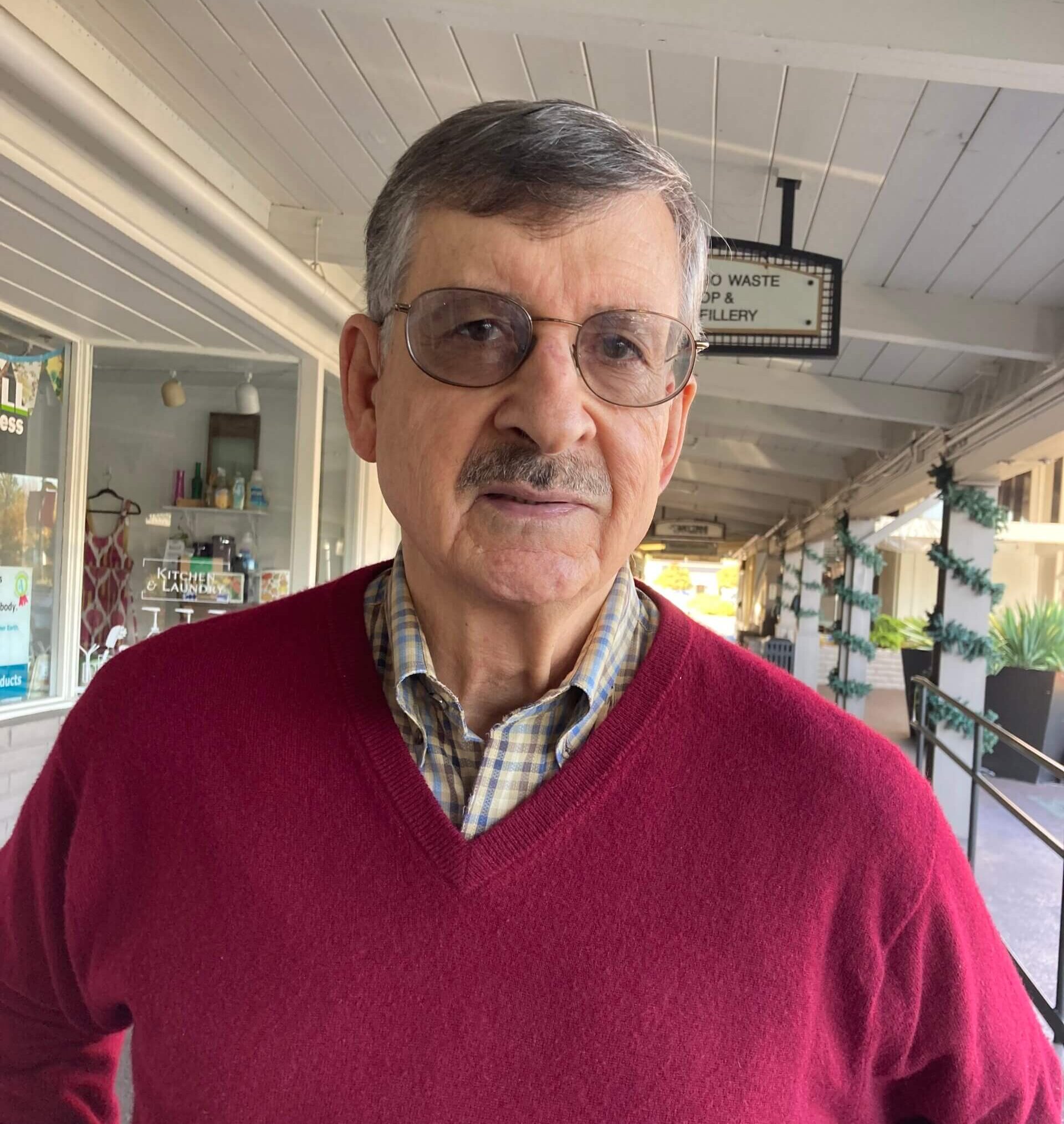
By Martin J. Bennett
As one of Sonoma County’s largest employers and a pillar of the local economy, the hospitality and tourism industry plays a central role in the region. However, the industry is predominantly low-wage, and most employers do not provide affordable health care benefits.
In 2025, the California Employment Development Department reported that entry-level county hotel housekeepers earned $18.32 an hour and $38,147 annually. However, M.I.T. economists calculate that in Sonoma County, two full-time working parents, with two children, need $36 per hour, or an annual family income of more than $151,000 before taxes, to cover essential expenses such as food, housing, health care, transportation, and childcare.
In 2025, United Ways of California reported that nearly one-third of households in Sonoma County are working poor, meaning at least one member earns income from work but still can’t cover basic expenses. Most hotel workers and their families fall into this category, struggling to make ends meet.
Nonetheless, a transformation of the industry is occurring: Over the last two decades, UNITE HERE has focused on organizing county hotels and casinos and raising labor standards.
There were no union hotels or casinos between San Francisco and Portland in 2006. Today, Sonoma County has five, including the Petaluma Sheraton, Hyatt Regency Sonoma Wine Country, and AC Hotel in Santa Rosa. The Graton Resort and Casino in Rohnert Park and the Fairmont Sonoma Mission Inn in Boyes Hot Springs are also unionized.
Now, 1,500 county hospitality workers are members of UNITE HERE Local 2, representing hotel workers, or UNITE HERE Local 49, representing employees at Graton.
In 2024, after a two-year organizing campaign, 280 workers at the Fairmont Sonoma Mission Inn in the Sonoma Valley joined Local 2. The union built a robust community-labor coalition to support the organizing campaign, including the North Bay Labor Council, Sonoma Valley Interfaith Coalition, North Bay Jobs with Justice, Valley Democratic Clubs, numerous other civic organizations, and many elected officials.
Local 2 signed its first contract with Fairmont management in March 2025. The contract benefits demonstrate that unionization can transform low-wage, bad jobs into good jobs, providing livable wages, comprehensive benefits, and career ladders within the hospitality industry.
Non-tipped workers like housekeepers, janitors, cooks and dishwashers received an immediate $3-per-hour raise, and by the expiration of the contract in 2028, their hourly wages will rise by $3.25, for a total increase of $6.25. In addition, workers received a $2 an hour increase after publicly proclaiming their intent to unionize. A housekeeper who was earning $19 an hour when the union drive began in 2022 will make $27.25 by 2027.
The contract also includes affordable health, dental, and vision care, a defined-benefit pension, accrued annual paid vacation, eight paid holidays, and workload reductions for housekeepers. Moreover, the contract provides a seniority ladder, a grievance procedure and protections barring arbitrary discharge.
Alejandra Santoyo, veteran spa worker, a leader in the Fairmont organizing campaign, and longtime resident of the Sonoma Valley, explained that, “If there is one thing I am happiest about, that we achieved, it is the wonderful network of power and solidarity among co-workers. There is a fair process for everyone. Our relationship with management is so good. People know that they don’t have to stand alone.”
UNITE HERE will continue to organize county hospitality workers, who are overwhelmingly immigrants, women and workers of color. Boosting hospitality labor standards is essential to create an equitable and sustainable regional economy.
Unionization of the industry will enable hotel workers to live in the communities where they work, rather than commute long distances to more affordable housing markets in Mendocino, Lake, and Solano Counties.
Workers will not have to work two jobs to make ends meet, enabling them to participate in continuing education and training, their children’s education, and community civic activities. Importantly, workers will not have to rely on public subsidies like Medi-Cal and Food Stamps because their wages are so low.
The union also gives workers a collective voice in the political process by endorsing candidates for state and local office, encouraging members to register and vote, training members to campaign door to door, and supporting legislation such as raising the minimum wage, improving industry health and safety standards, and providing state and local protections for immigrants.
Unionization of the hospitality industry is an essential step towards creating a more equitable and sustainable regional economy.
Martin J. Bennett is Instructor Emeritus of History at Santa Rosa Junior College, a consultant for UNITE HERE Local 2, and a longtime Sonoma Valley resident.




Thank you Marty. In a world where we see almost no hope, seeing what can be done, what has been done for and by the workers at SMI, is a sign of hope.