
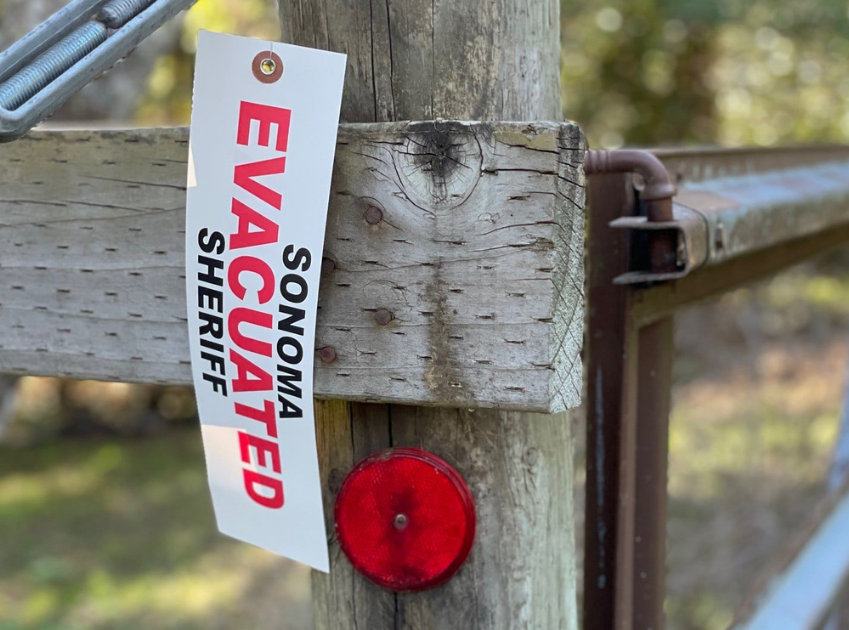
Sonoma County’s emergency evacuation plans face significant challenges, highlighting the need for improved infrastructure, communication, and compliance with state mandates. To read the entire report, CLICK HERE.
Here is a summary of the conclusions of Sonoma County’s Civil Grand Jury:
Emergency Evacuation Challenges in Sonoma County
Sonoma County has experienced multiple wildfires and floods, revealing weaknesses in evacuation planning and infrastructure. Key issues include narrow highways, limited alternate routes, and inadequate communication systems during emergencies. The county has not yet developed detailed, scenario-based evacuation plans as required by state mandates.
Legal Framework for Emergency Management
California’s Emergency Services Act assigns local governments the responsibility for disaster and evacuation planning. Recent legislation (AB 747, SB 99, AB 1409) mandates local authorities to evaluate evacuation routes, identify at-risk neighborhoods, and designate evacuation shelters. Sonoma County has not fully complied with these legal requirements, with updates expected only by 2030.
Infrastructure Vulnerabilities and Planning Gaps
The county’s infrastructure is a significant vulnerability, with many roads unable to handle simultaneous evacuation and emergency vehicle access. Planning is often ad hoc, relying on real-time decisions rather than pre-assigned resources and strategies. Technology gaps hinder effective evacuation planning, as Sonoma County lacks modern modeling tools used by peer counties.
Communication and Alert Systems
Communication systems are often inadequate, especially in rural areas where cell service is unreliable during emergencies. Existing alert systems (SoCoAlert, WEA, Nixie) are not fully effective in reaching all residents, particularly in remote locations. Community radio networks and grassroots organizations are essential for improving communication during emergencies.
Recommendations for Improvement
The Sonoma County Civil Grand Jury suggests accelerating compliance with state mandates and investing in modern simulation tools for evacuation planning. Upgrading key evacuation routes and expanding communication networks are critical for improving emergency response. Publishing zone-specific evacuation plans and communication protocols will help residents understand their options during disasters.
Methodology of the Civil Grand Jury Report
The report was based on a review of existing emergency plans, interviews with emergency managers, and comparisons with state and federal guidelines. The Grand Jury also consulted scholarly studies and after-action reviews to inform their findings and recommendations.
Background on Recent Disasters
Major wildfires (Tubbs, Kincade, Glass) and severe flooding have prompted significant evacuations in Sonoma County. Past incidents have highlighted the inadequacy of evacuation routes and the need for better planning and infrastructure. The geography of Sonoma County complicates evacuation efforts, with many residents living in remote areas with limited access.
Legal Authority and Local Responsibilities
Local governments are required to maintain emergency management organizations and implement state emergency plans. The county’s emergency management is led by the Department of Emergency Management, which coordinates with various agencies during disasters. Local ordinances empower officials to declare emergencies and manage evacuations, but resource limitations can hinder effective response.
Evacuation Route Planning and Compliance
Recent legislation emphasizes the importance of planning evacuation routes and identifying neighborhoods with limited access. Sonoma County has not yet conducted the necessary evaluations of evacuation routes as mandated by state law. The county’s emergency operations plan lacks detailed, pre-designated evacuation routes and shelters.
Community Engagement and Volunteer Organizations
Community organizations, such as CERT and North Bay Communications Collective, play a vital role in disaster preparedness and response. Grassroots communication networks are essential for reaching residents in remote areas during emergencies. Engaging volunteers and enhancing community capabilities can improve overall emergency preparedness.
Technology and Tools for Emergency Management
Advanced technologies, such as GIS mapping and evacuation management platforms, can enhance disaster preparedness and response. Sonoma County lacks the necessary tools to conduct detailed evacuation planning and modeling. Investment in technology is crucial for improving the county’s ability to respond to future emergencies effectively.
Conclusion and Future Directions
Sonoma County has a foundational emergency management framework but needs to address significant gaps in planning and infrastructure. Improved communication, infrastructure upgrades, and compliance with state mandates are essential for enhancing emergency preparedness. The county must prioritize proactive planning and investment in technology to ensure readiness for future disasters.




Be First to Comment