
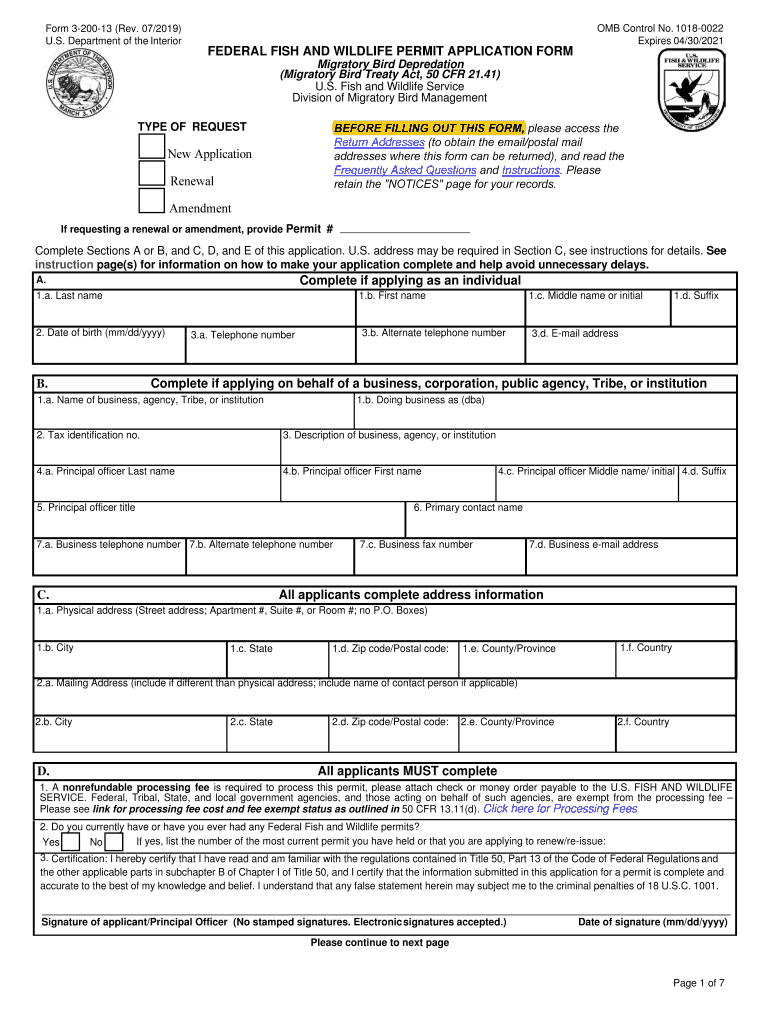
Animal Rights activist Zoe Rosenberg was arrested in 2023, tried in late 2025 and recently sentenced to 90 days confinement (jail and home) for taking four (4) hens from Perdue Farms’ slaughterhouse in Petaluma, hens she said were being kept in deplorable conditions.
Zoe is beloved by many animal rights advocates but labeled a thief by the D.A. and ‘ag interests’ who breed/raise/sell various critters to be decapitated, etc., and fed to humans.
Animal lovers bemoan Zoe’s fate, but were she a wild animal who made off with those chickens, she might have fared much worse: The poultry operator might have sought a Depredation Permit to . . . ah . . . “neutralize” her as a predator.
The California Fish and Wildlife Commission issues depredation permits to livestock owners, allowing them to kill otherwise protected wildlife that steal, kill and/or eat livestock being lovingly raised to be beheaded, disemboweled and eaten by humans.
(See: California Fish and Game Code § 4181 and Title 14, § 401).
Set aside the question of whether keeping livestock in mountain lion country is a reliable indicator of IQ. Ignore, too, the knit-picky question of whether such livestock is more properly called ‘bait.’
Consider instead that the term ‘depredation permit’ can only further confuse youngsters whose linguistic struggles in our schools are well documented. E.g., Sample Test Question: “Is the ‘predator’ implicit in the term ‘Depredation Permit’ (1) a ravenous mountain lion (2) a person who shoots said mountain lion (3) folks raising critters for slaughter (4) animal activists rescuing/stealing said critters (5) shoppers browsing dead animal parts at Safeway (6) all of the above?”
Merriam-Webster’s dictionary defines “depredation” as: “to lay waste; plunder, ravage; to engage in plunder.”
It would seem to make more sense for farmers, etc., – not to mention wildlife and animal rights activists – if those in the livestock business simply bought more insurance against losses inflicted by predators. Indeed, Professor Google notes that:
“California farmers can get reimbursed for livestock lost to predators through a combination of USDA federal programs like the Livestock Indemnity Program (LIP) and specific state initiatives, most notably the California Wolf-Livestock Compensation Program, plus private insurance options, covering losses from wolves, coyotes, and other wildlife.”
No, insurance won’t save livestock from being snatched by wildlife or animal activists, but the lives of animals being raised for food are going to end badly anyway.
Fortunately for wild predators, livestock owners must take asset-protection steps before a CDFW depredation permit can be issued. E.g., keeping livestock in sheds or barns, adding more/higher fencing, or maybe raising avocados instead.
Insurance, better fences, etc. can allow protected wildlife to live and thrive while compensating farmers and slaughterhouses for any animals lost to mountain lions, protestors, wolves, etc. Added to the price of The Final Product, the cost of such steps are shared by everyone who enjoys chicken-bits, pork chops, beef steaks, hot dogs, Big Mac’s or other remains of once-living cuddly creatures, al dente or al fresco.
It certainly won’t deny America its customary Obesity Trophy in the 2028 Olympics if a ‘burger cost a few cents more because of better insurance, higher fencing, locked doors and gates, etc., that can keep predators out of farms and protesters out of jail. Young mountain lions orphaned by depredation permits and forced to survive on stray pets and children might appreciate the expenditure.
[Note: In this family newspaper your correspondent cannot describe the savagery inflicted on captive livestock by marauding grey squirrels.]



Thank you Bob for pointing out the absurdity of this. Just yesterday I saw a “Foodies” post with a photo of a young woman posing with the a beautiful little pig. She was showing the pig at a local fair. Then the text: “get a whole pig, pig parts, order now, eat it up, yum”. Not the exact words, but close. But, we never see the hypocrisy of all of this. We never see that pig getting killed by the person it trusted. We never see the pain of these animals and we tell our selves they don’t think, they don’t feel. In the many years since I stopped eating my fellow creatures, I have never converted anyone to my way of thinking and doubt that I ever will.