
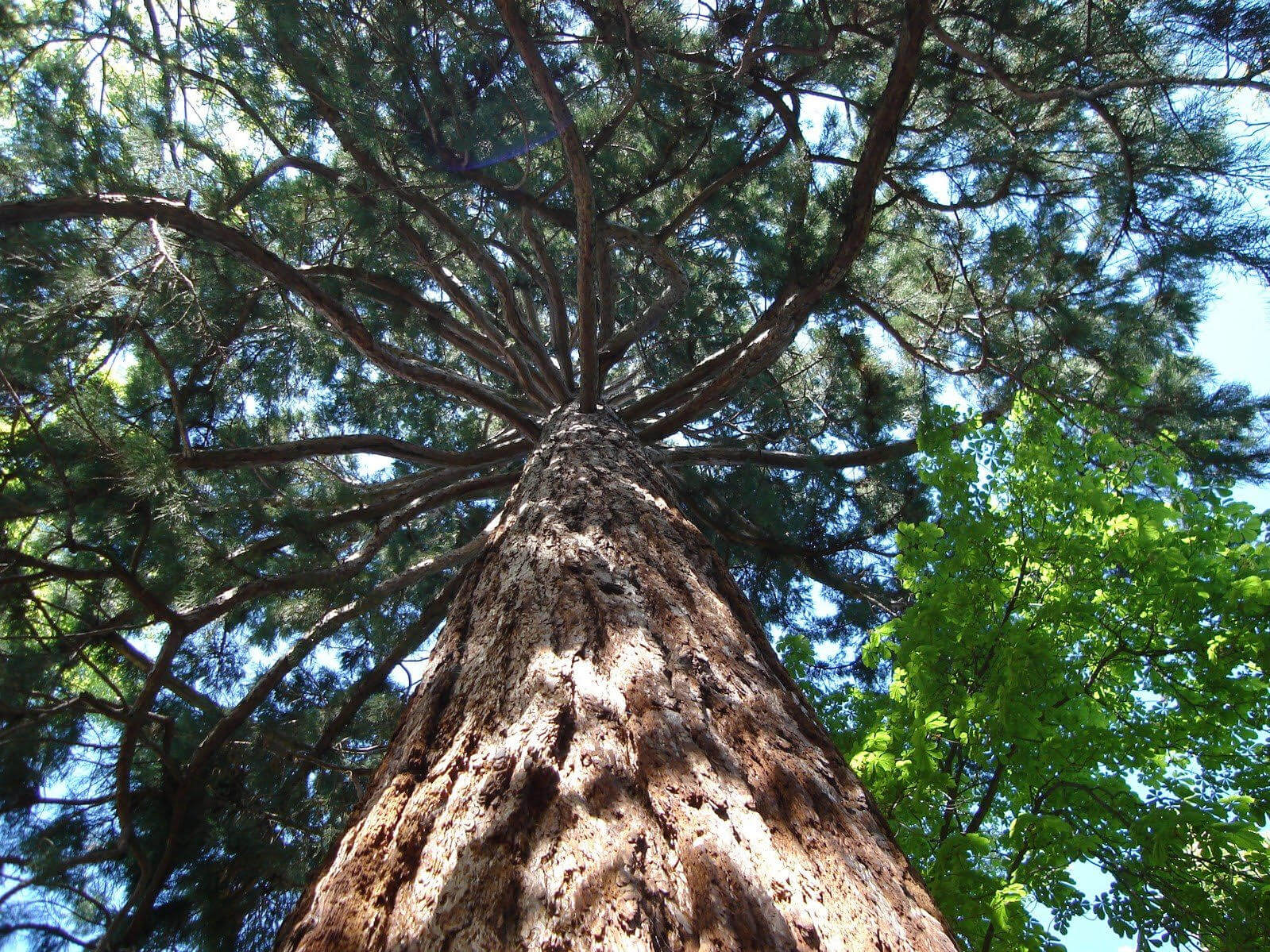
We want to add our voice of support for the city’s recent completion of its first tree inventory and urban forest canopy assessment. As reported here in the February 5 Sonoma Valley Sun, these reports are the result of years of advocacy. With this work accomplished, a new chapter begins in the City’s relationship to trees, development and environmental policy.
Trees add an unmistakable character to our community. When we look at any streetscape, it’s the presence or absence of trees that make the greatest impression. Their presence softens the otherwise hard lines of both buildings and concrete and makes both the pedestrian and vehicular experience more pleasant. It is this aesthetic quality that has been in the forefront historically, but now our understanding of climate, air quality, and ecosystems have converged with our aesthetic appreciation of trees.
Trees are not just pleasing ornaments, but essential players in a complex living system of which we are part. Scientific and cultural understanding have converged, not just philosophically but within a legal framework, and it will alter the way we enable development, neighborhoods and life in the City altogether.
The State of California has played a part in this transition. New statewide development regulations now embrace the role of trees in helping to regulate climate and reduce greenhouse gas effects. Providing shade cover to offset the effect of concrete “heat islands” is now quantified and required. The days of unshaded large parking lots in commercial developments are coming to a close, and the City of Sonoma will have to codify new standards to conform with state expectations.
One interesting feature of the completed studies is the calculation of the economic value of the City’s trees. For too long, trees have been considered expendable and their value calculated only by their subjective worth. Now an objective value in dollars has been calculated, and since it applies only to the trees inventoried, perhaps only one-quarter of the total, the dollar value is clearly far greater than has been calculated.
Another outcome of the studies is the need for an ongoing planting and maintenance program. While we enjoy the presence of many large and very old trees, we have not planted enough young trees to replace the old ones as they decline in the years ahead. Moreover, the amount of recommended maintenance – pruning, inspection and removal of dangerous limbs and branches – is huge. The City will have to reallocate money in its budget to properly manage its trees as well as create a budget for planting more trees.
Recent discussions in commissions about “greenways” and creating welcoming connections for walking and biking through town mesh well with the new information about our urban forest canopy. Street segments like West Napa Street are clearly deficient in shade, and plans need to be made to reconfigure such thoroughfares with trees. This will mean developing funding and agreements with landowners to remove concrete and to create proper planting areas for trees. As West Napa is also State Highway 12, CalTrans will probably have to weigh in.
It takes many generations to grow large trees. What we plant today is for enjoyment and health not for ourselves, but for our grandchildren and their grandchildren, and to maintain a healthy urban forest that supports wildlife and people altogether. We now have established an invaluable information baseline upon which we can build and evaluate plans for the future of the City


Be First to Comment