
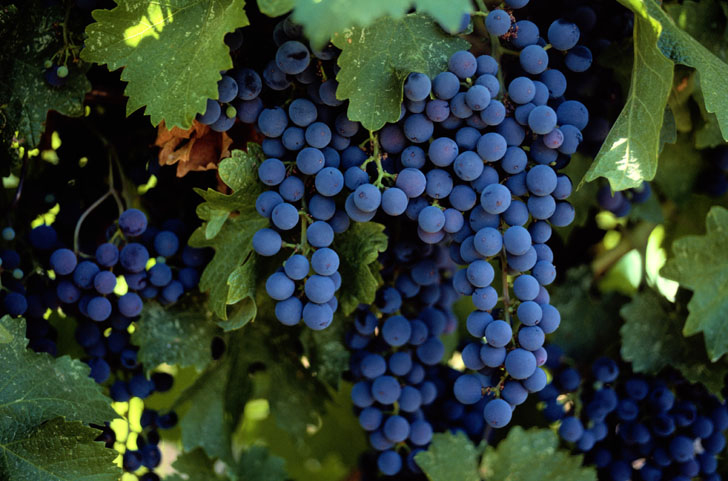
Over the course of the past 40 years – give or take a decade – Sonoma Valley has been lulled into a false sense of security about its economic future. We were riding the crest of a global love affair with wine, we had become an international tourism destination, we had tasting rooms ringing the Plaza, we planted more and more vineyards, we marketed the romance and the mystery of viticulture and we embraced wine as part of the slow-food cultural pyramid. And we created a monocultural economy.
Now, we discover, the public’s habits have changed; drinking wine is not as popular as it used to be. An industry that has been a regional mainstay for generations is undergoing a transformation that has the potential to negatively impact tourism and the economic base of Sonoma Valley and all of Sonoma County. Big companies like Gallo Wines are closing their facilities in Napa and Sonoma Counties. Sonoma Valley grape growers are pulling out vineyards knowing there is a rapidly shrinking market for their juice. All of which underscores a fundamental economic, ecological and cultural reality: Diversity is necessary – for a healthy environment, for a healthy economy, for a healthy community. Monocultures never survive the long test of history. Have you been to Mesa Verde?
Which leads us to the question of the day. What, if anything, can replace wine?
The answer has many parts, but first we must be careful not to throw the pinot out with the pomace. Our wine industry is not on death’s door. It is undergoing a significant adjustment. We grow great grapes. We make great wine. We just need to do other things too, in order to build a diversified economy less vulnerable to shifts in social, cultural and consumptive patterns.
For a long time, the conventional wisdom has been that if grape vineyards become unprofitable, the fallowed land would be used for housing. No doubt the real estate industry would be more than happy to build thousands of homes in our Valley, but infrastructure limitations – vehicle circulation, water and sewer availability, fire risk – all reduce that likelihood.
Cannabis cultivation and consumption has some beneficial economic impacts but will never replace the wine industry’s appeal to tourism. Between the state-imposed tax structure, legal restrictions, and wine’s social ambiance – cannabis sales and consumption can’t take the place of tasting rooms and vineyard visits, or be as profitable.
Alcohol holds a special place within American culture, and wine has enjoyed a special status. Once the province of the elite and sophisticated, drinking wine became mainstream in the second half of the 20th Century. For a while, its elite status was supported by limitations on wine tasting, which was restricted to wineries only. With the development of off-winery tasting rooms, large wineries needed to attract the public by offering a venue for weddings and parties, so they happily morphed into event centers. Wine once had caché, but that sales pitch seems to be running out of steam. Younger people are simply drinking less alcohol and are looking for healthier entertainment.
Our region’s economic reliance on wine consumption fuels hotel development and tourism overall. Can anything fill the coming gap?
We feel there are ideas worth exploring. The City of Sonoma and Sonoma Valley are both beautiful, historically significant and offer numerous healthy and entertaining options for visitors. We are blessed with three state parks, world-class art exhibits, exceptional performing arts companies, one of the nation’s “Top Ten Destination” film festivals, a regionally significant speakers series, a historic movie theater, miles of foot trails, bike paths and scenic roadways and burgeoning small farming ventures. We also have a highly-educated, multicultural, sophisticated community with substantial intellectual, corporate and creative resources. There’s an opportunity to position all these assets into a long-term, visionary, sustainable and green model for civic growth and development. But that requires an exponential improvement in planning, messaging and visioning such a future. It means creating environments that are attractive, well-maintained and safe for hikers, bikers and culture consumers. And may we suggest that, in a Valley chock-full of nationally and internationally collected artists, there is a crying need for a real commitment to public art. The Plaza is a perfect showcase; it should always be full of art. But it’s not.
Our Valley has the potential to become an internationally-recognized center for arts, sustainable and regenerative farming, and green-focused municipal planning. This won’t happen in a vacuum. It inevitably requires collaborative vision sharing and action with County government. Imagine the benefits and attraction of a class-one, off-road bike lane between Sonoma and both Santa Rosa and Napa. Imagine the recreational, educational, environmental and performing arts uses that could incorporate the Sonoma Developmental Center if it were not crammed with the proposed 1,000 new housing units.
Our Valley could become as well known for arts, crafts, theatre, dance and small farms as it has been for wine. Once again, this requires a realignment of priorities, both on the part of the business community and government. Investment in facilities and the arts will have to increase. Let’s consider creating and promoting unique festivals and events – an annual flower festival, celebration of local farmers, or an ethnic food festival. There are numerous possibilities. The business community and local governments need to put their heads together soon. Nothing will happen without planning.
We propose assembling a community task force to try to tackle what’s to come. New hotels won’t solve the economic needs of our region, nor will an increase in our population. Retail is already suffering due to online sales, and increased sales tax revenue can’t be counted upon either. The traditional solutions to economic sustainability don’t work anymore. We need to acknowledge the issue and think outside the box and all over our beautiful Valley to address it.
–Sonoma Valley Sun Editorial Board



A few ideas. Organic farming, allowing small farms to do what they do in Europe, farm stays for guests. 8th Street East: green businesses, solar production, modular and prefab home factories, recycled water systems for homes and businesses (not centralized treatment plants, but Hydraloop, like they use in Europe for individual buildings). And yes, no more hotels, as we have no housing for their workers and as you say wine tourism is declining.
Economic boon/boom for The Valley: Establish an annual National Dog Show in Sonoma in April or May, after the Sonoma film festival. Maybe call it Westminster West. Or Hot Dogs Festival. Or Good Doggies Only. Or . . .