
By Larry Barnett
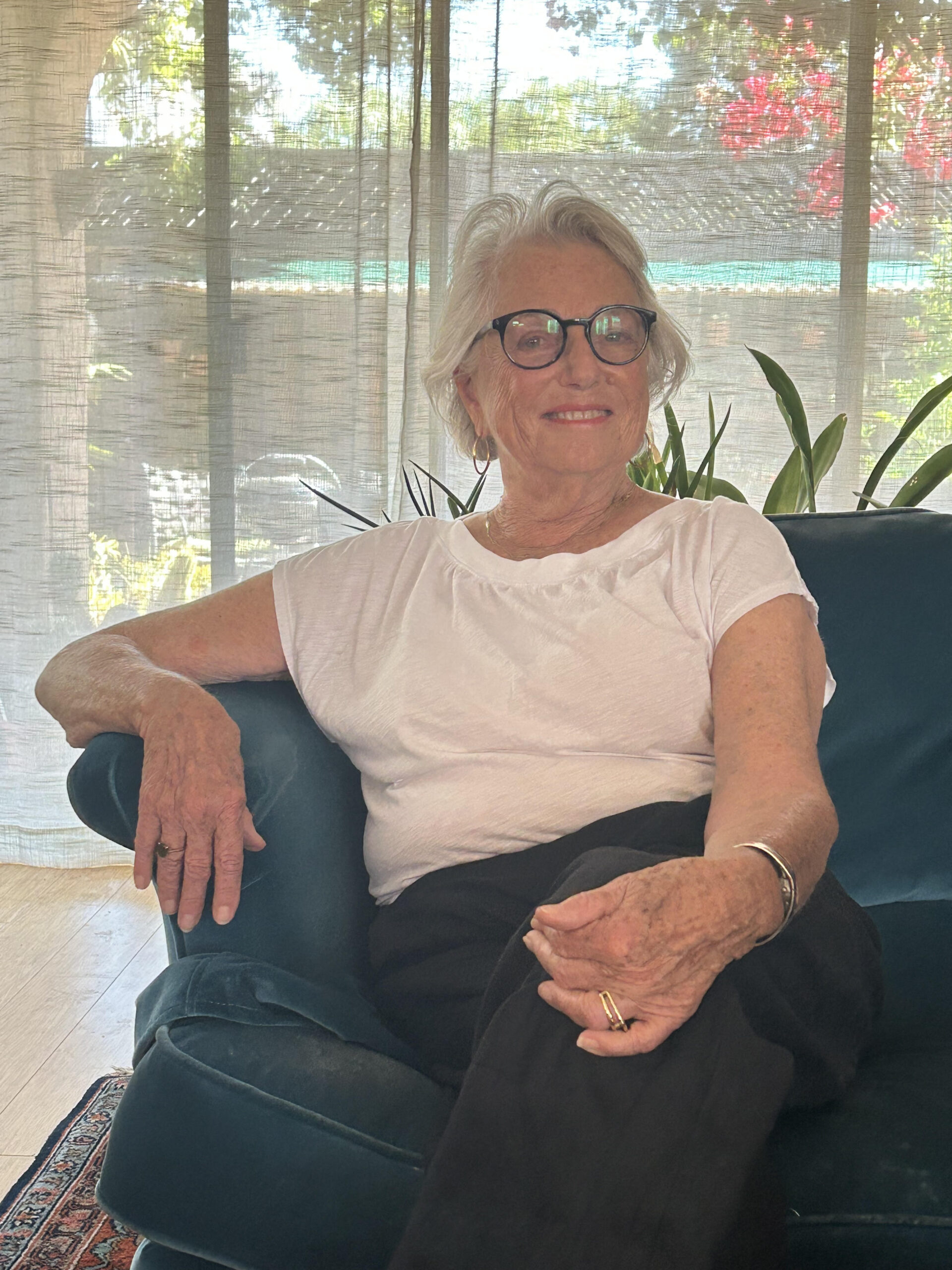
Micro-Breweries are commonplace today, but that was not always so. In 1975, there were none, until that is, the New Albion Brewery on 8th Street East was created. It was the brainchild of three people, and one of them, Jane Zimmerman, still lives in Sonoma.
The story of New Albion is legend now, its history even included in the Smithsonian Museum. And it helped spin off a slew of descendants that today are brewing a plethora of beers of all types and styles. Some of them are operating out of Sonoma County, where hop kilns were once common and the widespread popularity of wine just a dream. The Batto family of Sonoma had an unused fruit-drying building on 8th Street East at Denmark Street that became the brewery.
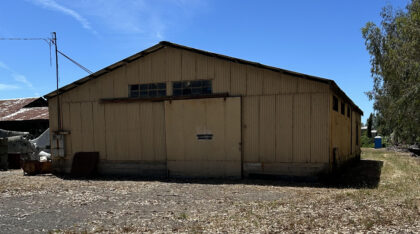
Jane has recounted the creation, trajectory and decline of New Albion Brewery in any number of publications, including the New York Times, The Santa Rosa Press Democrat and the Index Tribune. Jane, Jack McAuliffe and Susie Denison all contributed money, time and labor. However, one aspect of that journey has not been well covered, namely what it was like to be one of two young women working in the male dominated world of 1970. For all the publicity the micro-brewery received, Jane and her partner Susie did not share in it.
“We would rarely get any recognition at all, which is interesting for me,” says Jane. “You know, I see the late 70s, and this is me looking back through an imperfect lens, but, you know, Ms. Magazine and the feminist movement; and of course, women started a brewery, because in the 70s, that’s what everyone was doing, you know, like they were doing amazing things.” When it came to getting attention, however, it was all about Jack.
“I mean, it’s not that we were ignored, but whenever there were interviews, whenever anybody wanted to hear about it, they went to Jack. And Jack didn’t give us credit. We were irrelevant as far as he was concerned. It wasn’t okay.”
“We hired a guy to do some welding, a Hell’s Angel. He’d go on those big rides that they do. He was kind of a nice guy. He was there for a couple of weeks, welding equipment. We created a 55-gallon drum. Jack would come in from time to time, and say ‘What are you bitches up to?’ The Hell’s Angel would look at us and say, ‘Is this how he treats you?’ And we’d say ‘yeah, he’s an asshole.’ If a Hell’s Angel found Jack’s behavior unacceptable to women…well. We never considered walking away from it. It was attracting attention, like from the New York Times. I did walk away, finally.”
But Jack, says Jane, wasn’t by any means all bad. “Jack was an irascible character,” she explains, “he had an explosive personality, but he had this wonderful idea. The excitement about creating the brewery, the adventure of it, far outweighed his weird character. He was also funny and smart. I put up with his treatment of me because I figured ‘that’s Jack, and he’s a jerk.’ Susie and I would talk about him while we were hanging sheet rock in the brewery. ‘Jack’s a real asshole.’”
In her thirties with a four-year-old daughter, Jane explains, “The brewery was Jack’s brainchild; he got very excited about making British-style beer when he was in the Navy in Scotland. He learned how to make beer. He was an engineer. He was a guy who could make anything.
“He met my dear friend Susie Denison, the third of three of us who were the culprits. And we ended up sitting in the driveway of my house on East Napa Street across from the Community Center and talked about how we could fund a small brewery. He was so excited because most beer is lager beer, you know, big companies. So he told us the story of how he tried to do it in Calistoga. I don’t know whether a lot of people know that. I didn’t know that. But he wanted to do the brewery at the Calistoga Water Works. And they were interested, but the city fathers of Calistoga didn’t want a brewery in town, so kiboshed that idea.
“So we put up $1,000 each. Okay. And this was back in, like 1975. And $1,000 was worth a little bit more than it is now. That was a fair amount of change.”
Jane and Susie and Jack invested more over time. When New Albion dissolved in debt at the end, she got nothing for her shares in the corporation, and Susie was personally on the hook for Napa Valley Bank loans and lost a lot of money.
They sold their brews at Von Sydow’s (now Sonoma’s Best) and Sonoma Market. Eventually, distribution reached the rest of Sonoma County and Marin. Once New Albion was on the radar, they began to be approached by bigger companies, but Jack was unwilling to give up control. He owned 51 percent of New Albion, which left Jane and Susie at his mercy as opportunities for growth presented themselves, which left the two women very frustrated. “Investment companies wanted to buy the name and expand the brewery and offered Jack the leadership role. He refused.”
“I didn’t stay that long, perhaps a year and a half. I was sick and tired of Jack. I had another career I was cultivating. For me, the brewery was a lark that became a huge force in the brewing world. We had no idea what was going to happen.”
Jane went back to school and became a psychotherapist. The brewery lasted about seven and a half years, overall. After the brewery closed, Jack went back to building houses.
When asked if things could have worked out differently, Jane and Susie taking over and becoming brewsters, she said, “We had fun. We had fabulous, huge parties where we’d roast a pig in the ground.” She added, “Women have been making beer for a very long time. There’s a centuries-long history of women brewing. Susie is the closest friend I’ve ever had. That’s what I got out of it.”





What a delightful story and splendidly small town. Our town where such things happen. A few folks get together and make something in the food/beverage world that break or reopen new ground. Some go on into the high skies and like this one come to taste the earth face down..People we know and come to know by these artisanal efforts. What a great place for such things ..we are so fortunate.