
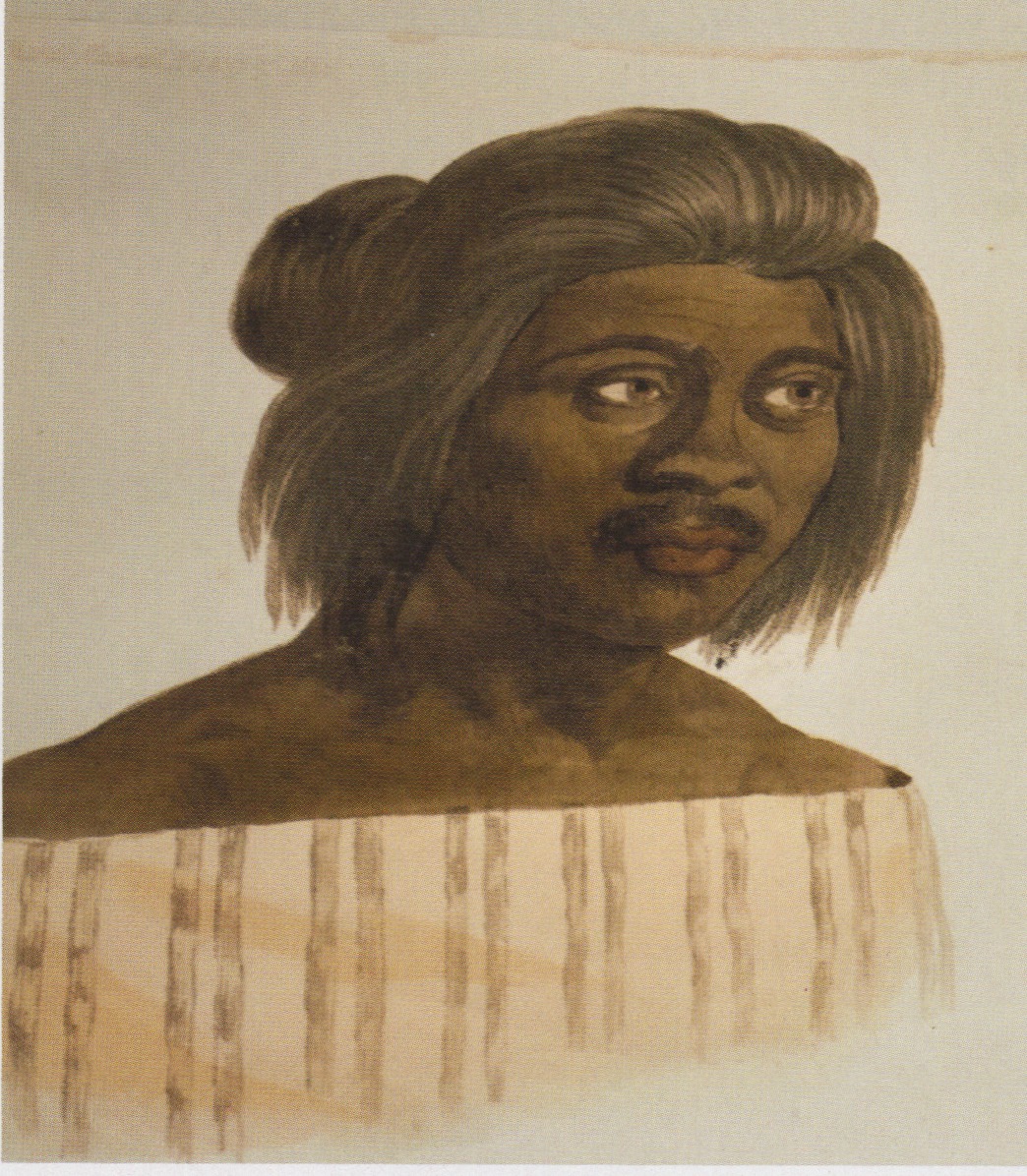
Viviano’s Vineyard
Editor’s Note: A longer version of this story was first published in 2018 in Valley of the Moon magazine. It is reprinted here with enthusiastic permission.
By Sandi Hansen
A common question in winemaking circles is, who was Sonoma Valley’s first private grape grower and cultivator?
We know that Father Junipero Serra, founder of the California mission system, is credited with bringing the first grapevines to California. And Father Jose Altimira, founder of the Mission San Francisco de Solano, planted the first vineyard in Sonoma, on 15 acres a few hundred yards east of the mission, in 1824.
Those plantings were a mixture of European grapes originating near Madrid, Spain, and are known today as “California Mission grapes.” The wine was produced for local consumption. The Valley’s neophytes (baptized Native Americans whose conversions to Christianity were more a reflection of expediency and survival then religious passion or belief) cultivated the vines, harvested the grapes and made white wine, red wine and brandy.
Each annual production was consumed within about 12 months, the Mission vineyard was not a commercial business, and it was abandoned in 1814.
In 1840, the now-famous Hungarian immigrant Agostan Haraszthy came to America and wound up in Sonoma in 1857, where he founded Buena Vista Winery, which claims to be the oldest premium winery in California, and many people call Haraszthy “the father of California viticulture.”
Gundlach Bundschu Winery, founded a few miles south in 1858, lays claim to being the oldest family-owned, continuously operating winery in the state.
Those claims aside, General Mariano Vallejo, the founder of Sonoma, planted vineyards on his land in 1836. So, was he really the first?
Not according to Dr. Peter Meyerhof, a Sonoma dentist, historian and board member of the Sonoma Valley Historical Society, who says his research has unearthed evidence of a small vineyard located about two miles east of the Plaza, predating Vallejo’s arrival. It was part of a 175-acre land grant presumed to have been made to neophyte families after the missions were secularized. According to Meyerhoff’s research, and entry in Father Altimira’s dairy, dated July 1823, mentions land to the east of the Plaza where grapevines were later planted.
Altimira, says Meyerhoff, “was returning from Napa Valley to Sonoma Valley along an old Indian trail while searching for a suitable site to found the Sonoma Mission.” Meyerhoff adds that, “There was an Indian rancheria in the area called ‘Lac’ by the Coast Miwok,” and, he adds, he eventually “stumbled upon a 19th Century land grant registry that showed the recipients of ‘Grant number 377 – the Lac Grant’ Bingo! It specifically states it was granted to an Indian.”
The record of the grantee shows only the man’s Christian name, Viviano. But to add to the confusion, much smaller print on the document reads that the grant was to Don Damaso Rodriguez, a Californio (Spanish-speaking residents and Latin American descendants who were born in Alta California). Rodriguez served in Vallejo’s cavalry and received the grant in 1844.
“Unlike other grants given to a pair of individuals, it does not state that it was granted to Viviano and Rodriguez. Evidence says it was granted to Viviano before Rodriguez, and probably many years earlier,” Meyerhof says. The earliest map of this area shows that in 1844 there was already a vineyard on the Lac property on the Arroyo Seco Creek (in eastern Sonoma Valley). It lay just beyond the northeast border of Sonoma and west of the large Huichica Grant beyond.”
In the 1850s an experienced viticulturist determined that the grapevines were planted circa 1832, which was long before Rodgiguez lived here. Also, says Meyerhof, a wooden house the Rodriguez family had lived in since 1842 could have been Viviano’s house, because, according to Meyerhof, “In order to receive a grant it was necessary to build a house on the land even if it was only upright poles filled with mud.”
There is yet more evidence of Viviano’s rightful credit. “It seems entirely consistent,” says Meyerhof, “that the Sonoma Mission granted to Viviano the Lac Rancheria around 1832, and then General Vallejo – not recognizing the right of the mission to grant any land to Native Americans – saw nothing wrong in letting his retired cavalry officer, Damaso Rodriguez, apply for this same property in 1844. With few exceptions, Vallejo had a low opinion of Native Americans.”
And then there’s this: An article in Harper’s New Monthly Magazine, published in 1864 by Haraszthy, about the vines on his property, reads, “Of the 290,000 vines, 1,300 were planted in 1832 (that would be Viviani). The vines, 31 years old, are healthy. They were planted by an Indian who endeavored to establish a home under the law of the Mexican Republic which offered grants of land to red men engaged in the cultivation of the soil.”
From all this, Meyerhoff concludes, “It was from Viviano’s vines that Haraszthy produced his first award-winning wines … For the next several years Haraszthy claimed, the vines planted in 1832 were by far the most productive…It was from Viviano’s vines that Haraszthy established his business success and initial reputation.”
What does this all mean to Meyerhoff?
“I’d like to see at long last Viviano getting the recognition he deserves for his literally groundbreaking work in the history of our wine industry.”






My fifth Great Grandfather was Damazo Rodriguez, who was given that 175 acre grant while Viviano still lived there, and apparently lived in the wooden house on Lac after Vivianio, although Viviano apparently continued to live there and tend the vines. I’m hunting down any images – drawings, paintings, sacramental documents – associated with the early 1850s and my family’s occupation of the property. My Californio heritage stretches far and wide, but this family and this era is especially intriguing.