
July’s Plant of the Month
Honoring the Old, Respecting the Present, & Planting for the Future
Native Alternatives to July’s Birth Flowers
By Sedra Nathan, Hannah Aclufi, and Vincent Distrola
In July, the traditional birth flowers are:
LARKSPUR – a symbol of lightness, positivity, and an open heart
WATER LILY – a symbol of purity, rebirth, and spiritual enlightenment.
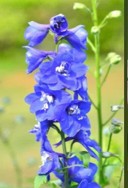
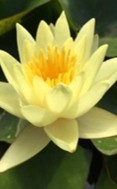
Larkspur, or Delphinium, is known for its tall spiked flowers blooms, with most familiar types being European species such as Delphinium consolida or Consolida ajacis. often found in bouquets or seed mixes come from Europe. But here’s a twist, California has its own stunning native Delphiniums, vibrant, pollinator-friendly, and perfectly adapted to our summer-dry climate. While most finish blooming before July, their spirit lives on in other natives that echo their form, color, and ecological roles.
This month, we highlight three standout California natives blooming in July:
- Monardella villosa (Coyote Mint)
- Aesculus californica (California Buckeye)
- Erythranthe guttata (Seep Monkeyflower)
The first two evoke the color and visual drama of larkspur. The third brings the habitat value and symbolic meaning of the water lily being rooted in moisture, filtering runoff, and supporting biodiversity.
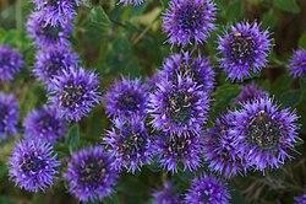
Coyote Mint (Monardella villosa) is a compact, mounding perennial native with upright clusters of rounded purple to lavender flowers from June through August. Though it lacks the vertical spire of a Delphinium, it offers a similar color impact during the summer dry season and is a magnet for native bees and butterflies. Well-suited to Sonoma’s clay soils and adapted to drought, Coyote Mint is a reliable performer that brings both beauty and ecological value when many other plants have gone dormant.
- Symbolism: Strength, tenacity, and reliability
- Ecological Benefits: Supports native bees and butterflies; summer-blooming nectar source
- Habitat Role: Found in dry slopes and chaparral; thrives in native gardens and pollinator borders
- Garden Notes: Drought-adapted and tolerant of clay. Requires full sun and little water once established. Prune back after bloom for a tidy form and extended flowering.
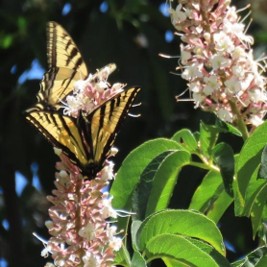
California Buckeye (Aesculus californica) is a striking native tree that brings sculptural form and creamy white flower spikes in early summer landscapes that echoes the distinct flower spikes of delphinium. Also known as California Horse-chestnut, this sculptural native tree offers tall spikes of creamy white flowers in early summer, echoing the dramatic vertical form of larkspur. It grows 15 to 40 feet tall, often with multiple trunks, and is found across Sonoma’s hillsides, oak woodlands, and riparian corridors. By mid- to late summer, its leaves yellow and drop in a natural dormancy, revealing twisting limbs and large chestnut-like seeds.
- Symbolism: Transition, attunement, and seasonal rhythm
- Ecological Benefits: Vital nectar source for pollinators; deep roots stabilize hillsides and reduce erosion
- Habitat Role: Native to Sonoma’s foothills, oak woodlands, and riparian areas
- Garden Notes: Excellent choice for low-water landscapes and restoration projects. It prefers well-drained soils and full sun, but will tolerate partial shade. Adaptable to a range of conditions but prefers slopes or open space. While its early leaf drop may seem unusual, this adaptation helps it thrive in California’s Mediterranean climate. Elegant architectural and ecological value.
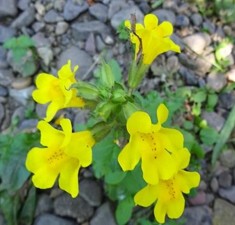
Seep Monkeyflower (Erythranthe guttata): This is a cheerful, golden-yellow wildflower that thrives along streambanks, seeps, and moist lowlands. It has one of the longest bloom periods of any native wildflower lasting from spring through early fall. Its snapdragon-shaped flowers brighten the edges of water features while supporting bees, butterflies, moths, and hummingbirds. Ecologically, it serves a vital role as “One of the best plants for filtering water in aquatic gardens,” as noted by native plant experts. It’s especially well-suited for rain gardens and riparian buffers, where it helps filter and slow runoff while stabilizing soil in wet areas. Its bright, nectar-rich blooms support a wide range of pollinators, and it’s frequently used in wildlife-friendly restoration projects for its resilience and ecological value. Seep Monkeyflower is a true native alternative to July’s symbolic Water Lily—offering renewal not just in meaning, but in ecological function and beauty.
- Symbolism: Renewal, Clarity and Harmony, Purity
- Ecological Benefits: Filters runoff, stabilizes soil in wet areas, and supports a diversity of pollinators
- Habitat Role: Anchors riparian plantings and wildlife gardens; a staple of habitat restoration
- Garden Notes: Spreads by seed and rhizome; may need thinning. Winter deciduous. Ideal for naturalized water zones and wildlife gardens. Excellent for bioswales, pond edges, or container water gardens.
These three natives, Coyote Mint, California Buckeye, and Seep Monkeyflower, honor the spirit of July’s birth flowers while rooting us firmly in place. They’re beautiful, ecologically valuable, and perfectly timed for the season. Enjoy!




Be First to Comment