
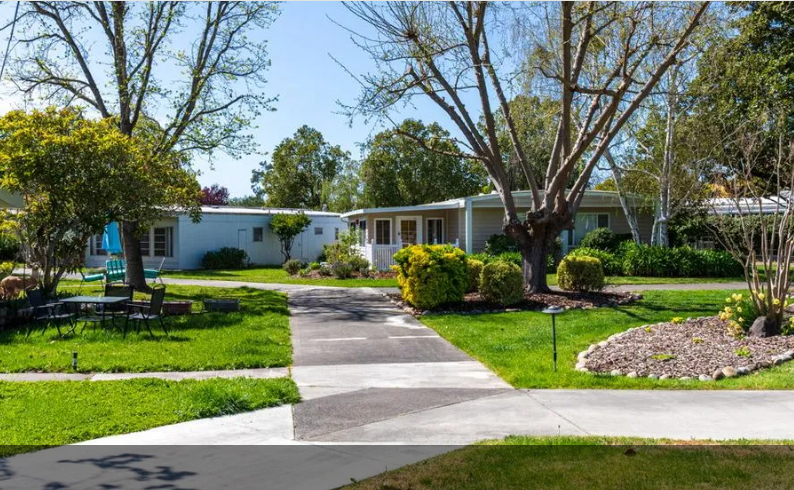
The City of Sonoma adopted its Mobile Home Rent Control Ordinance in 1992, revised it in 1998 and again in 2016. The ordinance regulates rent increases and rental prices after a home comes out of vacancy while providing a fair profit for park owners. The purpose of the ordinance is to ensure protection of the residents of the parks, who are generally elderly and on fixed incomes, relying on social security and other savings. Their health and welfare depend upon the affordability of their mobile homes.
The City was sued by park owners after the adoption of the ordinance, but prevailed in court. It was expensive litigation, but the City held fast and the City Council unanimously supported defending the ordinance.
Despite the term “mobile home,” these housing units are not really mobile and can’t be easily moved. If owned, a resident pays rent for the space it takes up in the park. If rented, the price is set by the park owner. Without the City’s ordinance, most residents would have long ago been priced out of housing. They are a vulnerable population, and protecting them and the affordability of their housing has been a moral imperative ever since the ordinance was adopted, and it needs to remain that way.
Park owners through the 1990s were generally independent, “mom and pop” operations. But today, Mobile home parks are most often owned by huge corporations and venture capital firms; the days of “mom and pop” ownership are mostly over. These large companies are now actively attempting to convince cities throughout California to abandon their rent control ordinances. They are doing this by, among other tactics, threatening to close parks and force the residents to move out. In one case in Winchester, near San Jose, after closing a park the owner developed condominiums on the site.
Our Sonoma mobile home park residents are justifiably concerned. They are seeing what’s happening in other communities and are afraid it will happen here. They have therefore hired expert legal advice to draft a series of amendments to Sonoma’s existing ordinance that will further protect them from threats of park closure. Those revisions, now named the Tri Park Ordinance Proposal, will be the subject of a City Council Study Session on August 19. We urge Council members and concerned citizens to pay close attention.
But the City Council, itself, has an associated decision-making challenge. When City Council elections were “at large” instead of by district, gaining the mobile home park resident vote was instrumental in getting elected. Roughly 750 people live in the city’s three parks, and they vote at a high rate. Today, however, the district voting system means that all the City’s mobile home parks are located in just one district, so only one council member needs park resident votes.
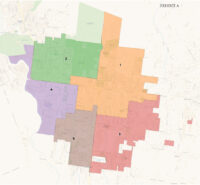
The strange and unfortunate irony of the situation is that district elections were chosen by the City Council to avoid possible litigation against the City related to the California Voting Rights Act, which was adopted to help disenfranchised, underrepresented populations gain political office and influence. The analysis that led to the creation of Sonoma’s five voting districts was based on census data, with the intent to ensure that various ethnic groups were included in each district. That was accomplished. But as a result, mobile home residents have become a disenfranchised, underrepresented group.
That’s because all three of the mobile home parks in the City are in District 4, the former political clout those residents once had, city-wide, has been diminished. But even more ironic, Sandra Lowe, the council member who lives in their district, cannot participate in decisions affecting the parks. All because of a state regulation that requires any council member, living within 1,000 feet of a project under Council discussion that could conceivably enhance the value of their own property, to recuse themselves from voting on it. Sonoma’s mobile home residents have entirely lost their political influence.
Preserving affordable housing has topped the Council’s list of goals for years, and the 488 mobile homes in Sonoma represent a huge share of our affordable housing. Preserving affordable housing doesn’t need lip service, it needs prompt action to strengthen the existing ordinance. Now is the time for the City Council to stand up for the park residents.






Be First to Comment