

The recent decline of vineyards in Sonoma Valley and the greater Bay Area comes on the heels of a similar drop in local dairy farms and production. This issue is quite apparent, with closed businesses (R.I.P Vella Cheese!), grapevines pulled out, empty grazing pastures and ranches, leading to recent Sonoma County government attempts at addressing the growing crisis. In response, the Board of Supervisors passed a resolution formally declaring agriculture and working lands “critical infrastructure, essential to the county’s economy, environment and food security.” Citing a myriad of factors, from “market pressure” to “climate volatility” and “rising operational costs,” the County has created a multi-departmental workplan to spearhead solutions.
The Sonoma County Agricultural Preservation and Open Space District, commonly known as Ag + Open Space, has updated their organizational focus to address this, with some interesting and hopeful solutions on track to implementation. When contacted for further clarity on these goals, Misti Arias, Ag + Open Space general manager, explained, “Since the voters created our organization, we’ve been focused on supporting local agriculture. We also have over three decades of experience now, and we’re looking to use everything we’ve learned, and the relationships we’ve built, to help make local agriculture more accessible and affordable for current and future generations.”
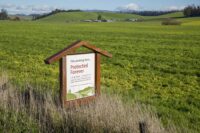
Ag + Open Space, which conserves natural and working lands across the county, played a critical role in developing the County’s workplan, and has a key role in implementation. Ag + Open Space will focus on evolving conservation easements and other conservation tools to best support agriculture on the lands conserved. The District will also continue to increase affordability and accessibility of agricultural lands through easements, the “Buy-Protect-Sell” program, and by exploring further opportunities, such as leasing or partnerships with farmworker co-ops and organizations.
Additional action includes supporting easement landowners in new and creative ways, like the burgeoning Stewardship Assistance program. While still under development, that program will offer grants to support ag and forest landowners in enhancing natural systems on their land.
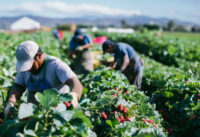
The District’s “Buy-Protect-Sell” program has already launched, with the goal of supporting existing and new agricultural businesses in securing land, while protecting those uses into the future. The idea of farmworker co-ops builds on this, allowing for shared ownership and product diversity. With the high and rising cost of land, labor, equipment and utilities, this is a promising option to revitalize local economic growth in agriculture. Sonoma Valley has a number of key properties, some of which are under threat of development for less socially beneficial uses, and could be good prospects for this program. This pairs well with existing preservation programs at Ag + Open Space via easements and purchases, which allow for families and property owners to ensure their land stays in agriculture while providing compensation to these long term stewards.
There is also an initiative exploring the development of an Ag + Open Space-owned “Ag Park,” that would be publicly owned land that could host an incubator, ensure secure affordable leases, support food security and provide recreational and educational opportunities. The “Ag Park” is a compelling concept, envisioning a large parcel where aspiring farmers can learn skills and trial business concepts, utilizing efficient and appropriate technology, while sharing essential infrastructure for production, storage, processing and distribution. With a growing rank of job losses in other areas, those who thrive in the hard work of creating food and beverage products would have opportunity for self-determination and to support an economy increasingly under duress.
Sonoma Valley’s long history of agricultural abundance, with excellent public parks and facilities, give us a good background and impetus to follow the County’s lead in this endeavor to keep us self-sufficient and growing into the 21st century.
Seth Dolinsky is Lecturer of Sonoma Valley Grange, and is co-owner of Rare Herb Farm & Provisions.


Be First to Comment