
While social media and communications technology like ZOOM have mushroomed, the government’s attitude towards public comment and participation has worsened. Government repeatedly sends this message: the public is a nuisance.
In all fairness, opinion and commentary in the age of social media have become degraded. The daily posts by Donald Trump provide plenty of evidence that the tone and attitude of discourse has undergone a terrible erosion of civility and decency, two qualities essential to the productive exploration of ideas – and Trump’s missives sadly represent just the tip of the iceberg.
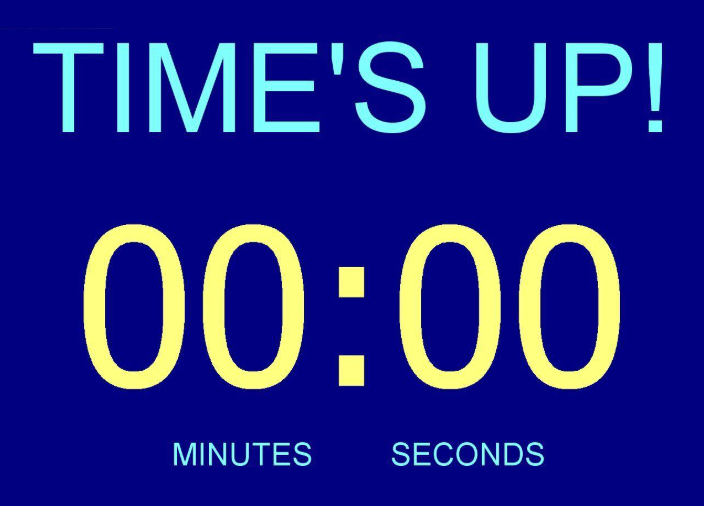
In Sonoma, the disruption of public meetings has been enough of a problem that City Council has at times altered its rules of public comment to avoid chaos. That has resulted in the requirement for written submission of questions ahead of meeting agendas; limitations on the scheduling and length of public comment; the imposition of timers and, on one occasion, even the presence of a police officer. All of these measures have the effect of negatively impacting the nature of public comment.
Of life’s many common fears, the fear of public speaking is one of the most widely held. By imposing draconian rules on public comments, governments heighten the anxiety people already feel. If the goal of public meetings is for decision-makers to hear and respond to public sentiment, it’s counter-productive to make it even more stressful.
Not every public speaker expects their opinion to prevail, but they rightfully expect to be heard. Many times, simply being heard is satisfactory enough. In a democracy, the public sphere is a unique space in which people respond to concerns. These concerns can become causes, finding support among others. It is this dynamic that results in politics, the coming together of people with shared interests, issues and concerns to address their concerns and solve problems.
Democratic norms, established over time in recognition of the ways in which good decision-making happens, should be supported, not discarded. Rules of Order may seem old-fashioned and clunky, but they provide a framework within which discussion can take place in an orderly fashion and not dissolve into open conflict.
And yet, even with regulations like the Brown Act that covers open meeting rules and is designed to ensure that decisions affecting the public are discussed in public and that people have the right to participate in such discussions, impediments to being heard keep arising. Closed sessions often result in decisions that should be rightly discussed before the public. Setting meeting times that conflict with other meetings, or that are not convenient for working people, prevents public participation. Limiting comments to just two minutes eliminates thoughtfulness. Postponing comment on non-agenda items until after the whole meeting agenda is completed effectively muzzles the public.
In this time of intemperate feelings and emotions, a balance is needed between how the public can be fairly and effectively heard and how governing bodies can effectively and efficiently govern. That said, we would argue that the scales should normally be weighted in favor of the public. Yes, people sometimes express themselves poorly, with anger and blame, but not being heard just exacerbates public frustration. Treating public opinion like it’s just another box to be checked off in decision-making is wrong. A properly functioning democracy demands public participation, not just on election days, but as a customary part of the governing process.
Sun Editorial Board







Be First to Comment