
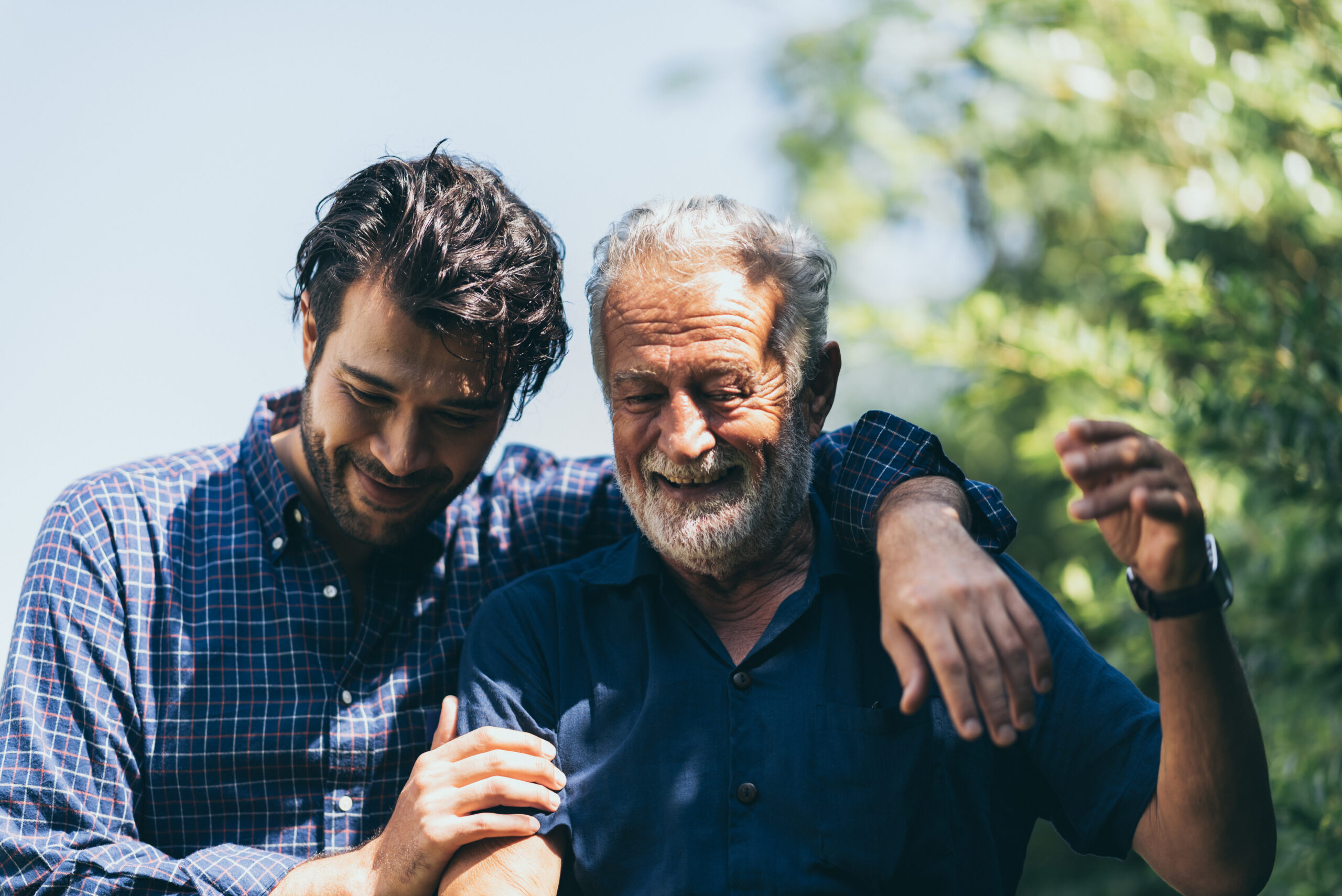
We’re in turbulent times for male identity at this Father’s Day season. Whether it’s Colbert or Trump, we’re watching men go through staggering changes and chaos. Maybe Pope Leo helps, but that’s probably controversial too. The economy, aging and politics wallop us all with an unsteady current of confusion. Whether red, blue, purple, rainbow, boom boxes or technology – it’s hard for males to know on whom to model themselves.
One of the most jaw-dropping shifts I have seen in my 50 years of psychotherapy practice has been that, 20 years ago, females almost always called for therapy. Often women would proverbially, “drag their husbands into counseling.” Since then, about 95 percent of the time – it’s males who call.
What I hear in my office are far-ranging concerns like: “How can I connect better with my kids, siblings, partner, friends? What do I care about before I die? Why do I behave this way? Where am I at with my sexuality? What has meaning for me in life?”
What we discover together is frequently that the root of these problems is men who were never seen or validated enough by their dads. They often realize that true acceptance by their own dads was missing. Not just validation for who they are “supposed to be,” but for who they really are. They long to understand and know themselves now. The men I hear from want a better world and they want to contribute to it.
Fathers do their best, they do what they learned from generations of men. They often give advice, lecture, offer funds, stay silent or bully. But, the result can be young males who are not secure in their identity, afraid of emotional intimacy, unable to express feelings and needs, spacing out about what matters to them or their families, becoming sullen, depressed or staring at their computers. They learned to puff up their chests like roosters ready for a cock fight, or become passive, often leading to passive-aggressive behaviors, overwork, isolation, addiction. They did not learn how to communicate and listen well. Compassion and social skills were rarely taught to them.
The “strongman myth” means carrying heavy armor, leading to bad backs, heart attacks, avoidance, depression, etc. Their stories are infinite; some experienced sexual trauma, subtler criticisms, abandonment, or dad taking the belt to their bare bottoms, “because that’s just what they did in those days.” No matter how it’s minimized, it left its mark.
Terence Real, author of “I Don’t Want to Talk About It,” and a specialist in men’s issues, writes, “Sons don’t want their father’s balls; they want their hearts.” The deeper longing – to be seen and valued, for being themselves – leaves a hole, an unfulfilled need for real, honest, caring connection with their fathers. In “Making Sense of Suffering,” Konrad Stettbacher explains, “I need to hear it, I need to sense it, I need to know that I am loved. Open your mouth for once Dad.”
Still, I’m hopeful for our future. Men appear relieved and enlivened when they learn to engage better in life and with their loved ones. Females and all gender identified people are healing their issues with “maleness” and their own father wounds.
Men are maturing in myriad ways. They find what nourishes them, more connection in relationships, hobbies, community engagement, men’s groups, music, anger management, improved communication, twelve step programs, books, podcasts, grief work, spiritual interests, meditation, book clubs, new work goals, ping pong and more. If it’s healthy and authentically calls to them, it’s life-giving – one small step at a time.
(These are composite stories, confidentiality protected.)








Be First to Comment