
By Larry Barnett
A subsidiary of Tidewater Capital, a San Francisco development firm valued at more than $450 million, now owns three properties previously part of the Mattson portfolio and is developing plans to transform the three parcels into housing.
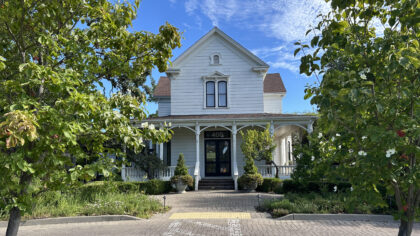
The three properties include the site of The General’s Daughter, which is the historic home constructed by General Vallejo for his daughter, the site of Ramekins (now Seven Branches), the former culinary school created by Suzanne Brangham a few decades ago using rammed earth construction, and a parcel north of the Ramekins property housing the workshop/barn built by former City Councilman Bob Cannard but otherwise vacant.
The three parcels comprise a total of 3.86 acres and have a mix of medium density and low density zoning, with a minimum number of units allowed of 17 and a maximum of 31. Depending upon the nature of the application, a potential density bonus or duplexes on single lots could add additional units.
The subsidiary, named TC III West Spain Owner LLC, has met with neighbors of the properties to inform them of the concept, and obtain feedback about the project idea. The concept presented includes a mix of communal parking and private garages serving duplexes and multi-story townhouses. The City of Sonoma’s inclusionary requirement means 25 percent of the units will have to comply with the city’s Affordability requirements.
Moving The General’s Daughter closer to Spain Street is one part of the concept, to create additional space for homes on the parcel. The house, called “The Pink House” prior to its acquisition by Suzanne Brangham, was constructed in 1864 by General Mariano Vallejo for his daughter and is a registered historic landmark. As such, it cannot be demolished but moving it may be allowed after a thorough analysis and evaluation. The building was extensively remodeled by Brangham and portions of the current structure were added when it was converted to restaurant use. It is unknown whether the developer will include the additions in a move of the building.
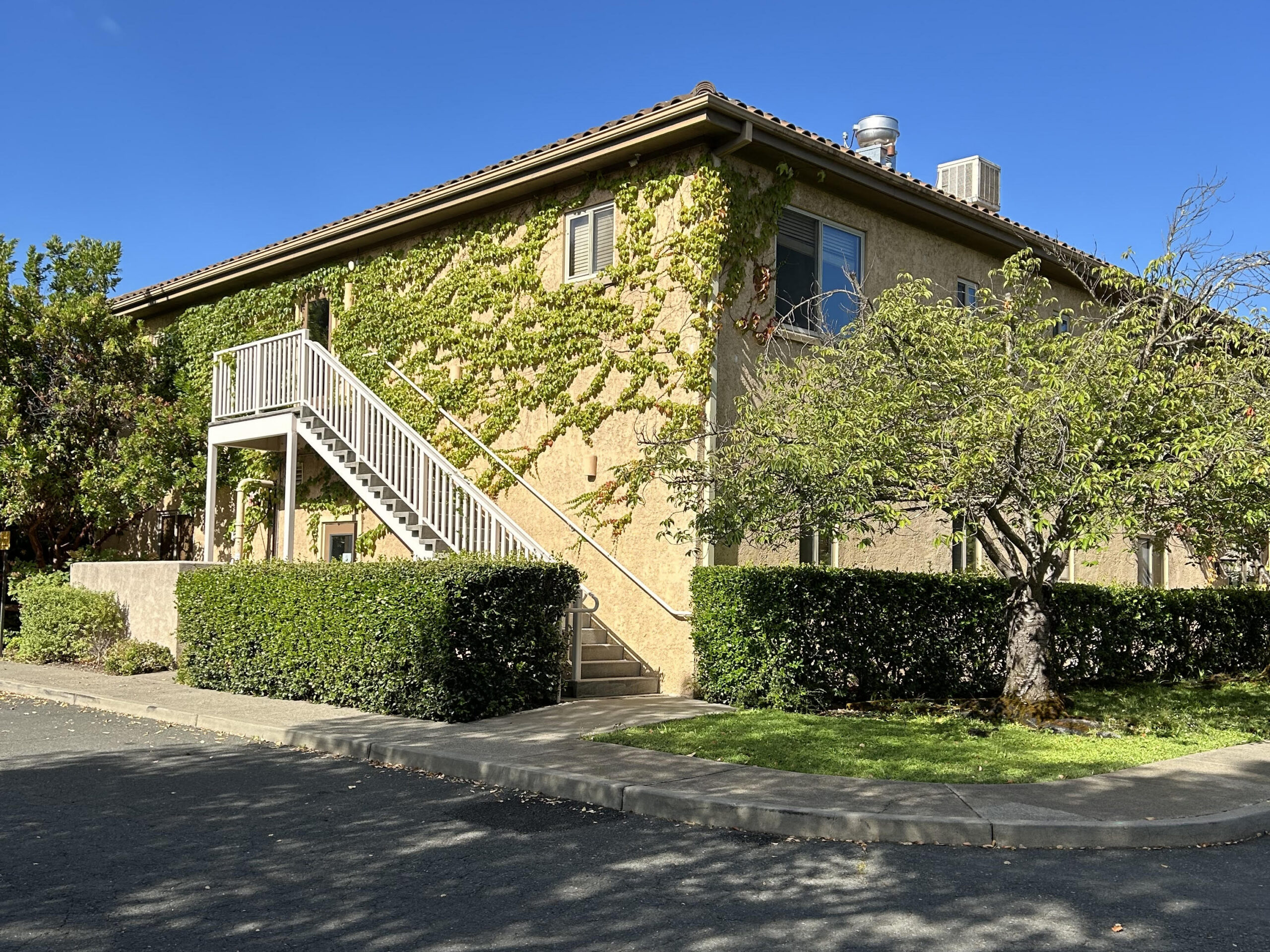
Ramekins, built 25 years ago, was constructed using rammed earth techniques in which dirt mixed with a small amount of cement was compacted under high pressure to create thick, textured walls. The building houses a half-dozen B&B units on a second floor above large kitchens that were used for teaching at the culinary school when it was in operation. A “great room” available for meetings and conferences that can accommodate 150 people is also part of the building, adjacent to an extensively landscaped outdoor garden patio space added when Darius Anderson owned the property.
At the time of its creation, Ramekins was celebrated not only for its unique construction, but for the creation of a new business venue that could help diversify Sonoma’s economy and enhance its reputation while also providing a welcoming and attractive community meeting space. Brangham created MacArthur Place Hotel and was instrumental in the planting of the Oak trees along Broadway.
Bob Cannard, owner of The General’s Daughter building before Brangham, wished to use the building as the site of a winery. At the time, the city was requiring him to extend Fourth Street north from Spain Street at his expense to approve his winery application, and he steadfastly refused. His application was denied. Angered by the refusal, he later went on to secure a seat on the City Council and served one four-year term.
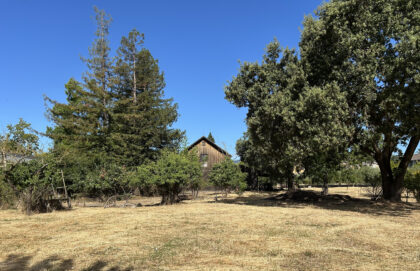
He also owned significant parcels of land north of “The Pink House.” He sold off a portion of that property to developer Rick Derringer, now deceased, who built homes surrounding the vacant parcel housing the large barn Cannard built; Cannard had plans to build a home on the vacant portion of the parcel but never did. Derringer also extended Fourth Street north of Spain. The parcel was bought from the Cannard estate in 2019 by the now indicted real estate developer Ken Mattson.
On its website, Tidewater Capital describes itself as follows:
“Tidewater is an entrepreneurial team of real estate professionals dedicated to preserving and strengthening the Bay Area. We seek out properties with untapped potential and work with our partners and local communities to create vibrant, enduring spaces that promote long-term economic growth and contribute to collective prosperity.
The built environment has a significant impact on our individual lives, the social fabric of our communities, and the health of our global environment. In an industry with far reaching effects, we have an obligation to act as responsible stewards throughout our complete body of work. Guided by the principles of promoting economic opportunity, creating diverse and vibrant communities, and embracing environmental sustainability, we take an intentional and authentic approach to development. Our commitment to transparency and collaboration ensures that every project fosters trust, strengthens connections, and delivers long-term value to our partners, tenants, and our broader community.”
Tidewater Capital will likely request a study session held before Sonoma’s Planning Commission to obtain feedback from the commission and community about their conceptual plan. Indications are that such a study session may be scheduled for meeting in August of this year.
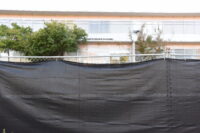
Main Photo: The rear of the former Ramekins Building
Photos by Larry Barnett





Please look forward and see how these buildings are so much a part of Sonoma’s history’! Beloved I would go so far so say. It is imperative that we retain such visible landmarks for our City to uphold our sense of history as for instance the General’s Daughter is a landmark building as testament to our city’s past.
The incredible building beside it was the vision of the creation Genius of Suzanne Brangham who opened a successful cooking school in that place named Ramekins. It truly was unique, attracting well known chefs around the country to hold popular cooking classes for all. It was also a popular event center as well for locals as well as for outside venues such as weddings and brought in revunue girvthe Citybof Sionoma.
Please do not destroy these beloved buildings!
Please respect our history that makes Sonoma so interesting. There are quite a few areas around Sonoma that can be used to build apartments and townhouses with out disrespecting our historical landmarks.
I’m all for more housing in Sonoma. Let them move it and build housing. Sonoma has a huge homeless population and could use housing.