
. . . cures dementia/kills your dog/enlarges your breasts/can make you rich/etc.”
“This One Thing . . .” is one of many go-to marketing teases these days used by countless P. T. Barnum wannabe’s in newspapers, TV, social media and online advertising, to promote whatever it is they’re promoting, selling or want us to read.
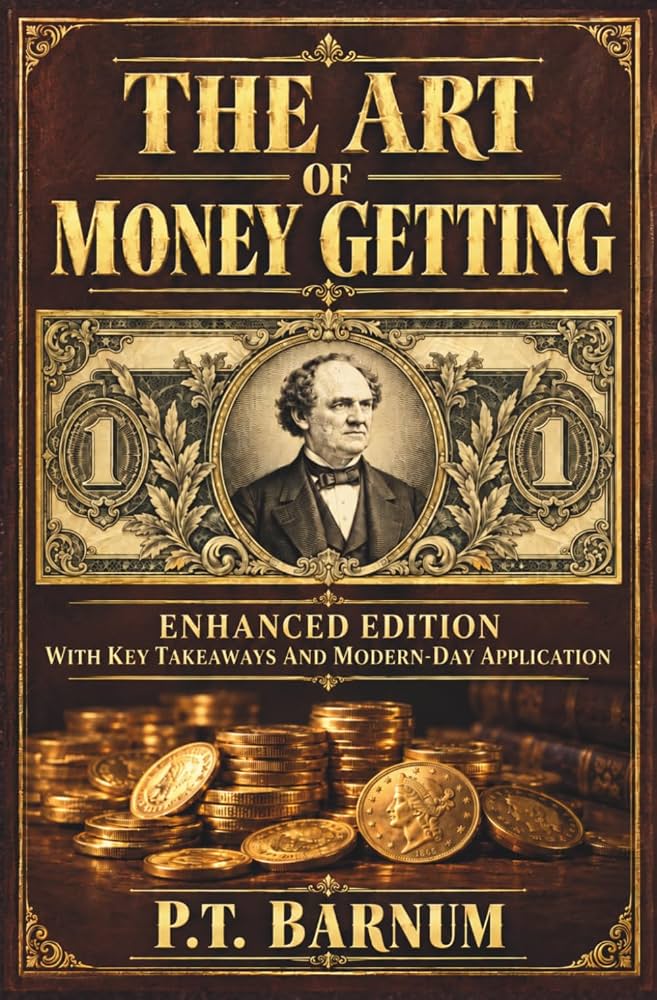
Readers who passed American History know that Phineas T. Barnum was a famous 19th Century showman, politician, hustler and promoter of countless enterprises – from circuses to railroads. He’s worth Googling for anyone seeking to understand the very Foundation of America. No, not that Constitution thing. Free Enterprise!
In a wild life lived from 1810 to 1891, P. T. became the role-model for all Free Enterprise hustlers, con-artists, grifters and politicians promoting everything from candy to free heath-care-for-all, vacation cruises, SUVs, Rhumba toothbrushes, Big Beautiful Bills, etc.
Critical to his success was getting The People (preferably people with money) to pay attention to whatever he was saying and selling. Two hundred years later we are awash in hyper-dramatic commercials, news articles, social media posts, etc., with eye-bulging headlines such as:
“This One Thing Can Cure Stupidity”
“How To Live To 250”
“Can Pliers Straighten Your Nose?”
“A Cancer Everyone Should Try”
“Murderers Aren’t All Bad”
“What Doctors Don’t Want You To Know”
“Is Your Preacher A Socialist Spy?” Etc., etc.
Such dramatic verbiage/garbiage grabs the attention of readers eager to learn the latest about whatever the subject happens to be, whether a chance to “Make a fortune with only a few easy clicks,” or “Lose 100 lbs. with this chocolate ice cream,” or “Run a marathon in three easy steps.”
While the headline is the draw, nine times out of ten the author will not get to the point in the first paragraph, first chapter or even by the last sentence. No sir. First there must be one or more paragraphs whose only apparent purpose is to demonstrate familiarity with proper sentence structure.
For example: The lead sentence of a recent (and real) news article, in another real newspaper, announced the hiring of a reporter who would cover education issues with these words: “The academic year is in full swing. Drive carefully.” Yes, they actually printed that.
Guided by that example, an item entitled, “This Causes Blindness” might begin with, “While watching Dolly Parton dance . . .” Neither advances the point of the piece but – if only for a moment – they capture readers who may otherwise skip to another article titled, “Is Vladimir Putin Really Gay?” Some items eventually get around to their professed point, or at least graze it slightly, but not nearly what the lead-in implies.
For example: A column may be titled, “Promising Heat-rash Cure Discovered.” Reading further, we learn the ‘discovery’ (that cold guacamole compresses cure heat rash better than sleeping in a refrigerator) was based on a small sample of only seven heat-rash sufferers, four of whom died in their refrigerators. Promising, to be sure. Of what? – Not so sure.
“This has been a total waste of my time!” you may say after reading that column. Or this one. However, you did read it. Perhaps even climbed somebody’s pay-wall to read it. As the saying goes, “Ya got sucked in, Sucker!”
Were he still around, old Phineas T. Barnum – the Master Hustler – would be grinning proudly, ear to ear. For it was he who famously said, “Without promotion, something terrible happens: Nothing.”







Be First to Comment